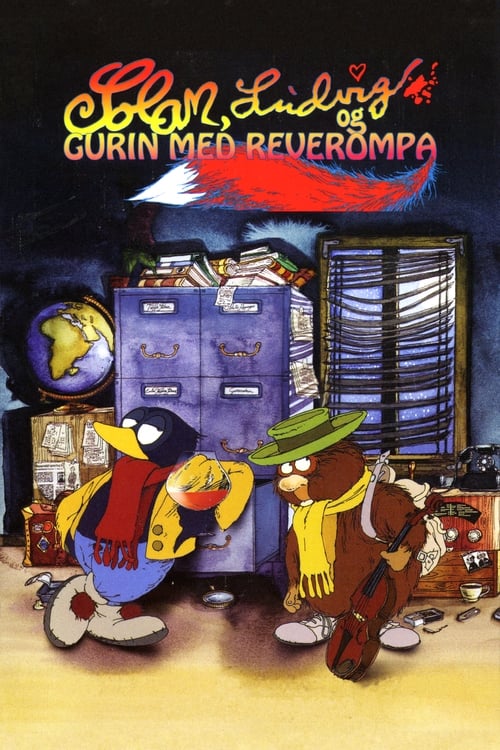
Gurin with the Foxtail
1998
No user ratings available yet
Representation score: 2.0 out of 10
Representation Score
Fair
1995
GDirector
Albert Hanan Kaminski
Runtime
76 minutes
Average Rating
No ratings yetNew Showbiz Analysis
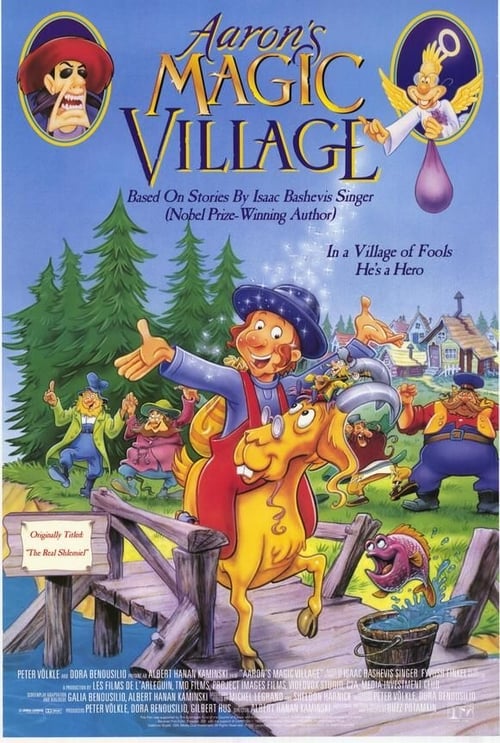
The Real Shlemiel is a culturally specific animated feature that succeeds by centering Ashkenazi Jewish life and folklore. By placing a Jewish village at the heart of the adventure, it provides high ability to act to an ethnic framework rarely seen in mainstream Western animation. However, the film remains tethered to traditional social structures. It adheres to historical gender hierarchies and lacks representation for LGBTQ+ identities, reflecting the constraints of its specific setting. Ultimately, the film is a successful exercise in cultural particularism. It challenges Anglo-centric storytelling norms by prioritizing a distinct heritage and a folkloric worldview over standard institutional values.
Category Breakdown
The film focuses on a traditional communal structure within a historical shtetl. There are no characters or narratives addressing LGBTQ+ identities or non-assuming gender matches what was assigned at birth identities.
The story depicts traditional gender roles consistent with an Eastern European setting. While Shlemiel's clumsiness offers a minor departure from stoic male archetypes, the narrative largely reinforces conventional hierarchies.
The film excels in ethnic specificity by centering Ashkenazi Jewish identity. This disrupts the homogenous white norm often found in Western animation through intentional cultural preservation.
The narrative prioritizes a specific religious and cultural heritage over universalized Western morality. It uses the folklore of Chelm to explore a subjective, non-Western reality.
The village's collective foolishness functions as a metaphorical cognitive difference. However, this is handled through traditional fable clichés rather than a nuanced portrayal of neurodivergence.
Present on Screen
Limited or Absent
Official Synopsis
When God distributed wiseness and foolishness through a newly created world, one of the cherubs accidentally dropped all the foolishness on a tiny village called Chelm. So everyone in the village is very dumb. Recently orphaned boy Aaron and his friendly goat Zlateh live there with Aaron's uncle Shlemiel. When an evil sorcerer and his monster attack the village, Aaron and Zlateh have to defend it themselves.
1998
1976
2014
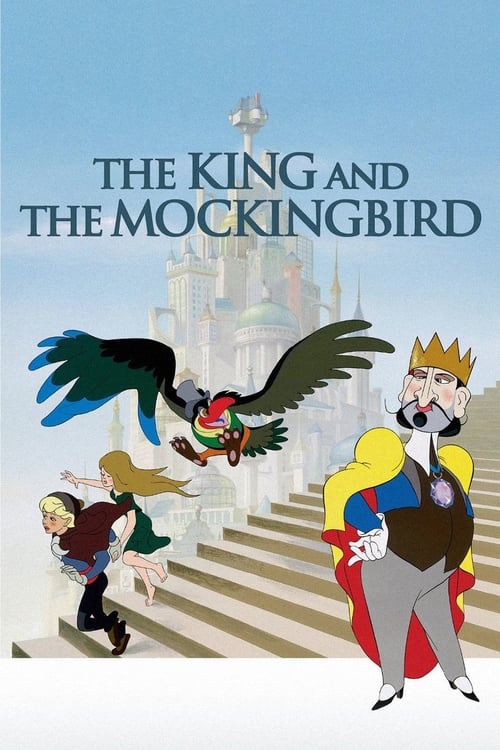
1980
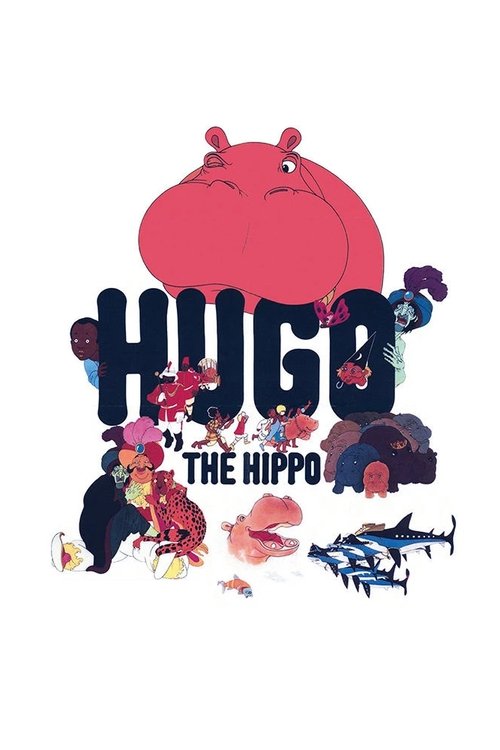
1975
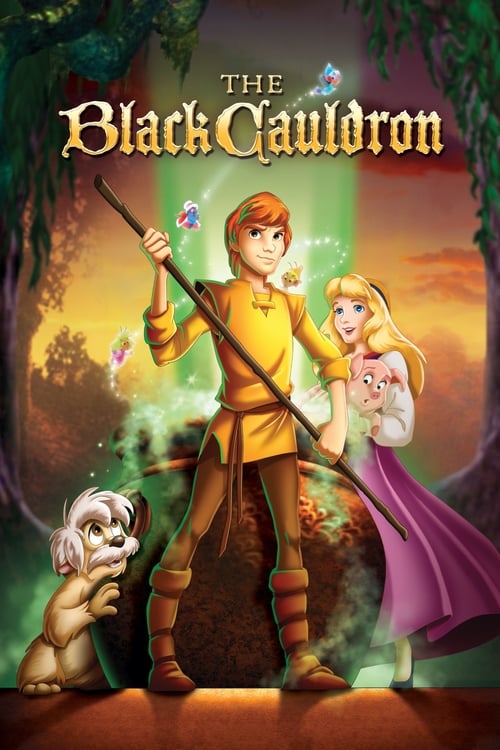
1985
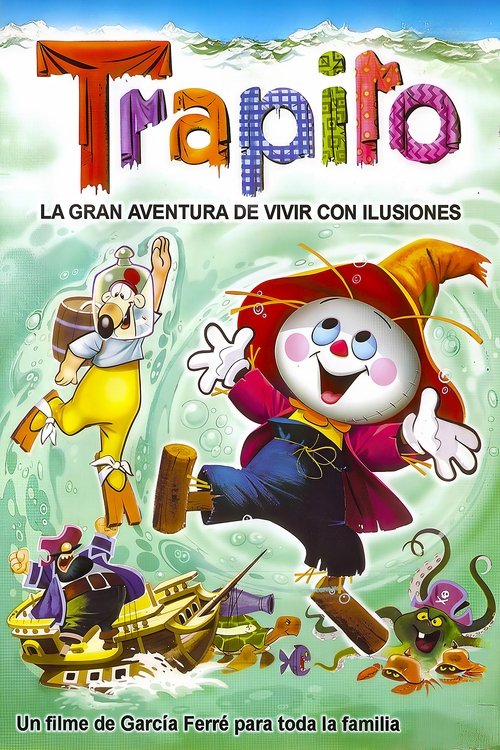
1975
2012
No reviews yet. Be the first to share your thoughts on this movie!
Use the rating form above to leave a star rating and optional review.