
Caesar's Messiah: The Roman Conspiracy to Invent Jesus
2012
No user ratings available yet
Representation score: 2.6 out of 10
Representation Score
Limited
2004
PG-13Director
Andrew Chater
Runtime
49 minutes
Average Rating
No ratings yetNew Showbiz Analysis
This documentary primarily serves as a piece of historical revisionism. It aims to re-evaluate the motives and actions of Pontius Pilate, moving away from the traditional portrayal of him as a weak ruler. Because its focus is on historical and religious context, it does not explore diverse social identities or progressive representation.
Category Breakdown
The documentary focuses on the political and personal motivations of a Roman prefect. There are no visible LGBTQ+ character arcs or representations of non-binary gender identities.
The narrative centers on the political influence of Pontius Pilate. While it challenges the stereotype of his weakness by highlighting his masculine political skills, it does not elevate the roles of women or diverse gender identities.
The film explores Roman occupation and Judean populations. It follows traditional period-accurate depictions without using race-bent casting to include diverse racial backgrounds.
The subject matter is rooted in the foundational narratives of Western Christianity. The film engages with established religious history without offering a secularist or anti-Western perspective.
There is no mention of characters or narratives addressing physical disabilities, neurodivergent conditions, or mental health issues.
Present on Screen
Limited or Absent
Official Synopsis
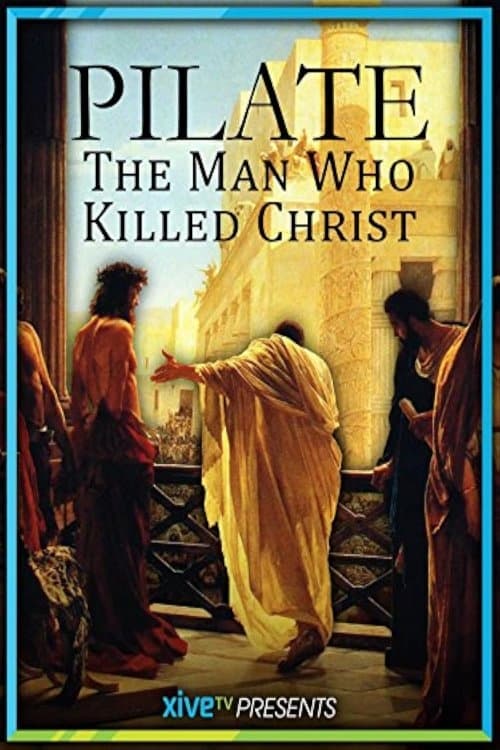
Throughout history, Pontius Pilate has been portrayed as a weak ruler-the man who allowed Jesus Christ to be crucified at the demand of the Jews. But this documentary portrays a very different Pilate, one who had his own motives for allowing Jesus' fate.
2012

1953

2006

1961

1985

2003

2017

2012
No reviews yet. Be the first to share your thoughts on this movie!
Use the rating form above to leave a star rating and optional review.