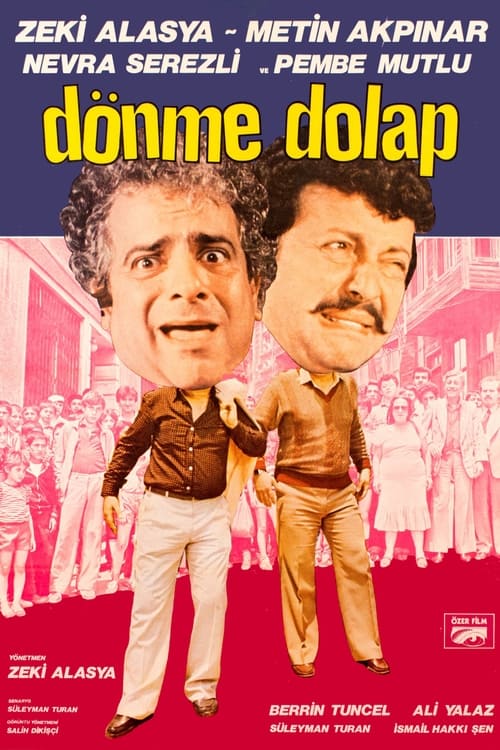
Dönme Dolap
1983
No user ratings available yet
Representation score: 5.7 out of 10
Representation Score
Limited
1979
Director
Zeki Alasya
Average Rating
No ratings yetNew Showbiz Analysis
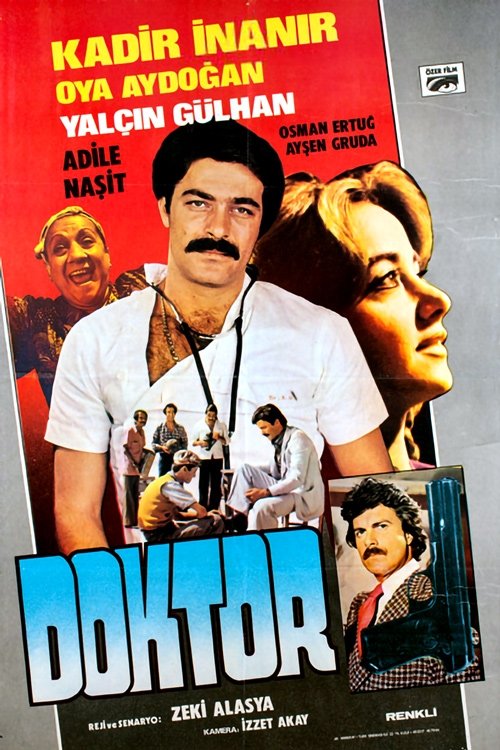
Doktor exemplifies late-70s regional cinema, emphasizing ensemble-driven social comedy. It captures the populist storytelling style of the Yeşilçam era, focusing on community and interpersonal relationships. While the film highlights the talents of veteran female performers, its narrative structure adheres to the era's conventional gender hierarchies. The storytelling favors traditional social norms over radical subversion or systemic critique. Overall, the film reflects its specific socio-political context, providing a culturally grounded experience but lacking the diverse representation or multi-layered complexity seen in modern global cinema.
Category Breakdown
The film does not include explicit LGBTQ+ character arcs or non-straight identities. It follows the straight-centered social structures typical of 1970s Turkish cinema.
Prominent female leads such as Oya Aydoğan and Adile Naşit bring a strong ensemble presence. However, female characters often serve as comedic foils or fill domestic roles.
The production centers on local social dynamics within a culturally specific Turkish context. While it avoids Western dominance, it does not intentionally blend multiple cultural perspectives.
The narrative aligns with traditional community values rather than critiquing systemic issues. It serves as a secular social comedy without challenging established institutions.
There is no documented evidence of characters with physical or neurodivergent disabilities in this production.
Present on Screen
Limited or Absent
1983
1988
1983
2003
1974

1984
1988
1982
No reviews yet. Be the first to share your thoughts on this movie!
Use the rating form above to leave a star rating and optional review.