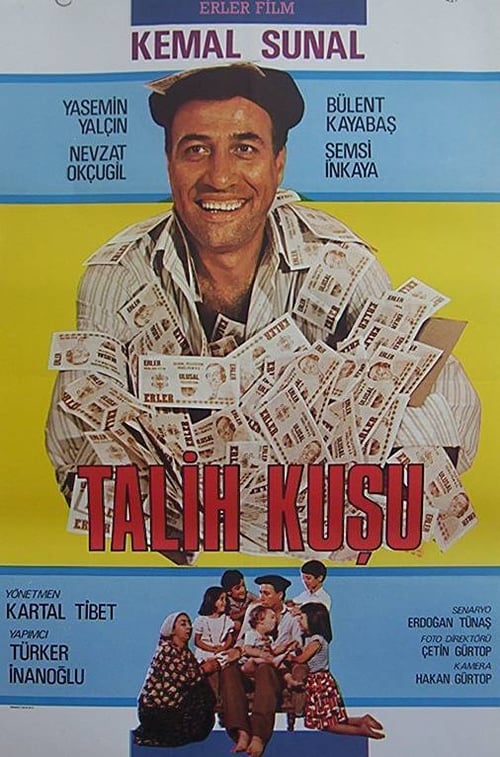
Talih Kuşu
1989
No user ratings available yet
Representation score: 2.0 out of 10
Representation Score
Minimal
1982
Director
Kartal Tibet
Average Rating
No ratings yetNew Showbiz Analysis
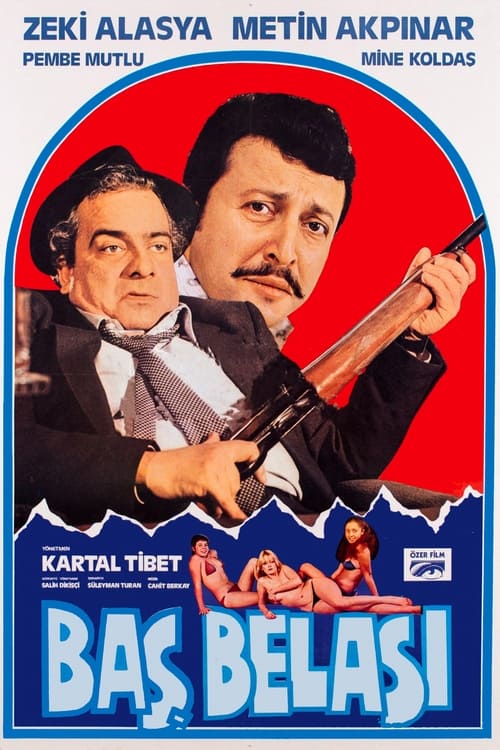
The available information about *Baş Belası* focuses mainly on the primary cast and crew. Without detailed narrative specifics, it is difficult to assess the film's handling of social hierarchies or identity. While the production likely reflects the Turkish demographic of the early 1980s, there is no evidence of intentional efforts to challenge homogeneity or represent diverse groups. The lack of character development prevents a meaningful assessment of progressive values. Ultimately, the film's approach to diversity remains unclear due to the absence of verifiable data regarding gender dynamics, cultural critiques, or disability representation.
Category Breakdown
The film does not include any representation of LGBTQ+ identities or same-sex relationships. There is no visible critique of the assumption that everyone is straight or cisgender.
Female performers like Pembe Mutlu and Mine Koldaş are part of the cast, but it is unclear if their roles challenge or adhere to traditional gender expectations.
As a 1982 Turkish production, the film likely reflects the demographics of its time. However, specific details about ethnic diversity or casting choices are unavailable.
No information is available about the film's stance on religious morality or socioeconomic structures. The presence of secularist or anti-authoritarian themes is also unverified.
The documentation does not provide any information on the depiction of physical disabilities, neurodivergence, or mental health conditions.
Present on Screen
Limited or Absent
1989
1983
1983

1984
1985

1979

1985
1979
No reviews yet. Be the first to share your thoughts on this movie!
Use the rating form above to leave a star rating and optional review.