A Piece of the Action
1977
No user ratings available yet
Representation score: 3.2 out of 10
Representation Score
Limited
1975
PGDirector
Sidney Poitier
Runtime
113 minutes
Average Rating
No ratings yetNew Showbiz Analysis
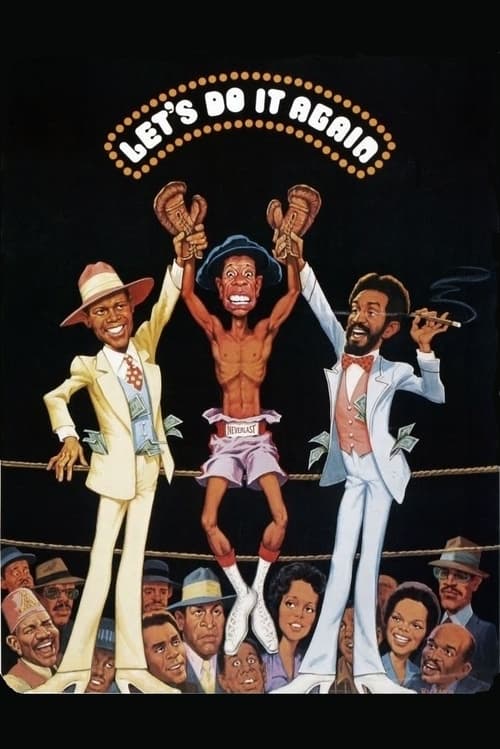
Let's Do It Again serves as a transitional comedy that disrupts the racial status quo of the mid-1970s. By placing Black characters at the center of the plot, the film moves Black ability to act from the periphery to the primary driver of the story. While the film succeeds in centering Black identity and leadership, it remains tethered to the era's genre constraints. It relies on traditional romantic and social clichés rather than challenging gender or sexual hierarchies. Ultimately, the film's significance lies in its ability to navigate social and economic themes through a Black lens, even while operating within a mainstream commercial framework.
Category Breakdown
The film follows traditional romantic comedy structures focused on heterosexual relationships. There are no visible narratives or representations of LGBTQ+ identities or non-binary gender expressions.
The story uses conventional romantic comedy structures. While women's ability to drive the story remains unconfirmed, the focus on courtship dynamics suggests reliance on traditional gendered interactions.
The film centers Black protagonists in lead roles, breaking the era's trend of predominantly white casts. The inclusion of a Black fraternal order highlights a specific communal identity.
The plot follows blue-collar workers using schemes to navigate social strata. This approach prioritizes communal benefit over strict adherence to traditional institutional legality.
There are no identifiable depictions of physical or neurodivergent characters within the narrative.
Present on Screen
Limited or Absent
Official Synopsis
Clyde Williams and Billy Foster are a couple of blue-collar workers in Atlanta who have promised to raise funds for their fraternal order, the Brothers and Sisters of Shaka. However, their method for raising the money involves travelling to New Orleans and rigging a boxing match.
1977

1958
1974
1976
1983
1981
1971
1972
No reviews yet. Be the first to share your thoughts on this movie!
Use the rating form above to leave a star rating and optional review.