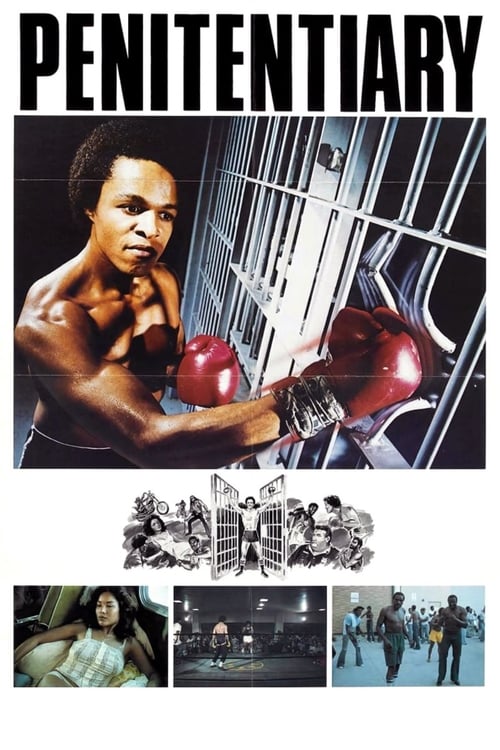
Penitentiary
1979
No user ratings available yet
Representation score: 3.9 out of 10
Representation Score
Fair
1982
RDirector
Jamaa Fanaka
Runtime
108 minutes
Average Rating
No ratings yetNew Showbiz Analysis
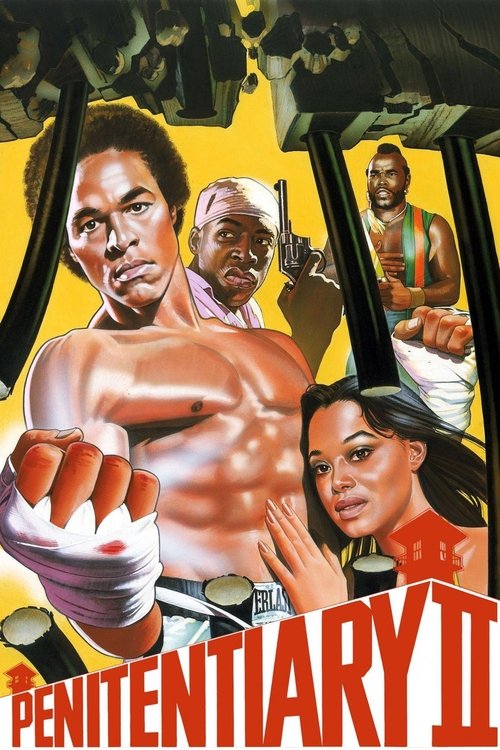
Jamaa Fanaka’s *Penitentiary II* stands out for its focus on Black narratives and the systemic pressures within the American carceral system. The film challenges the typical Eurocentric themes found in mainstream cinema. However, its narrow social scope limits its impact. The narrative is dominated by hyper-masculine dynamics, leaving little room for diverse gender representation or LGBTQ+ identities. Women are primarily used as plot devices rather than central figures in the story. Despite these limitations, the film offers a powerful exploration of survival and systemic dysfunction within the American justice system.
Category Breakdown
The film focuses on hyper-masculine social hierarchies within a prison setting. There are no LGBTQ+ characters or non-cisgender identities represented.
The narrative is heavily male-focused. Female characters are present but play minor roles, such as the protagonist's girlfriend.
The film features an almost entirely Black cast, providing a culturally grounded depiction of Black life and ability to act.
The story critiques Western institutional power, presenting the carceral system as a site of inequality and state-driven oppression.
There is no significant portrayal of physical or neurodivergent disabilities in the film.
Present on Screen
Limited or Absent
Official Synopsis
An ex-con, on parole and trying to straighten his life out, decides to resume his boxing career when one of his prison enemies escapes and kills his girlfriend.
1979
1996

1982
1989
1987

1979
1975

2017
No reviews yet. Be the first to share your thoughts on this movie!
Use the rating form above to leave a star rating and optional review.