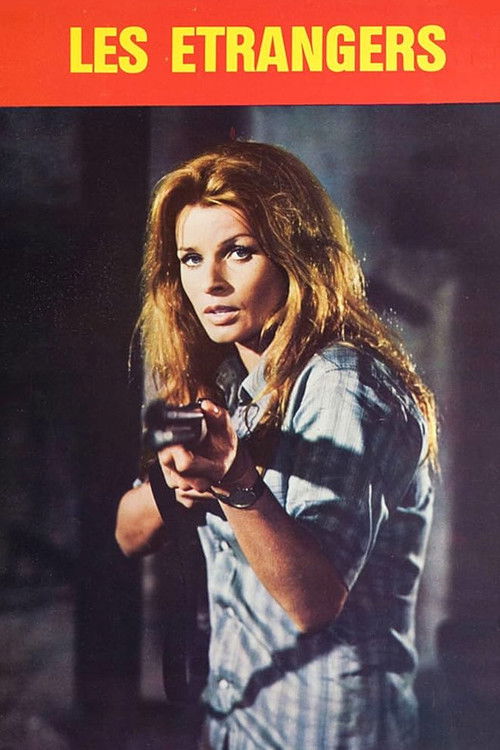
The Strangers
1969
No user ratings available yet
Representation score: 4.0 out of 10
Representation Score
Good
1995
PG-13Director
Gilles Carle
Runtime
93 minutes
Average Rating
No ratings yetNew Showbiz Analysis
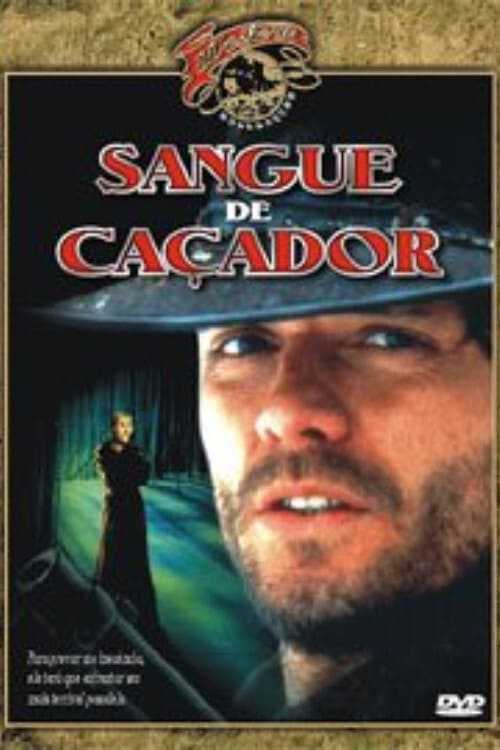
Blood of the Hunter successfully subverts traditional Western frontier narratives by emphasizing Indigenous ability to act. The inclusion of an Indigenous character with psychic talents ensures that non-Anglo-Saxon perspectives are integral to the plot. However, the film adheres to conventional cinematic archetypes regarding gender and sexuality. The central relationship is strictly heterosexual, and the female lead's role is primarily defined by her vulnerability to the antagonist. Overall, the film provides a critical examination of systemic failures and the collapse of social order. While it lacks diverse identity representation, it offers a meaningful critique of institutional justice and the reliability of the law.
Category Breakdown
The film focuses on a heterosexual relationship between Jan and Marie, with no representation of LGBTQ+ identities or non-assuming gender matches what was assigned at birth characters.
Marie is portrayed as a vulnerable hostage, which reinforces the 'damsel in distress' cliché. However, the tension arises from the breakdown of the traditional male protector role.
Indigenous characters have significant roles in the story, with an Indigenous friend having psychic abilities that are crucial to the plot. This challenges the homogeneity typically found in Western frontier stories.
The film critiques the limitations of Western legal systems and state authority. The wilderness setting shifts the focus from codified laws to more primal, situational ethics.
The disturbed drifter's mental health is unclearly addressed, potentially serving merely as a plot device rather than a nuanced exploration of mental health issues.
Present on Screen
Limited or Absent
Official Synopsis
In this period thriller set near the turn of the century, Jan Thoreau is a Canadian trapper who lives with his wife Marie in a small community in the wilderness not far from Hudson Bay. Blake is a disturbed drifter who has murdered a man and has found a way to frame Jan for his crime. Jan is out tending to his traps when an Indian friend with psychic talents tells him Marie is in grave danger. Jan hurries back, but he has no idea just how serious matters are until he arrives home -- Jan is wanted by the law for a crime he didn't commit, while Blake is hiding out in his home, and has taken Marie hostage.
1969
2005
1993
1964
2019
1988
1993
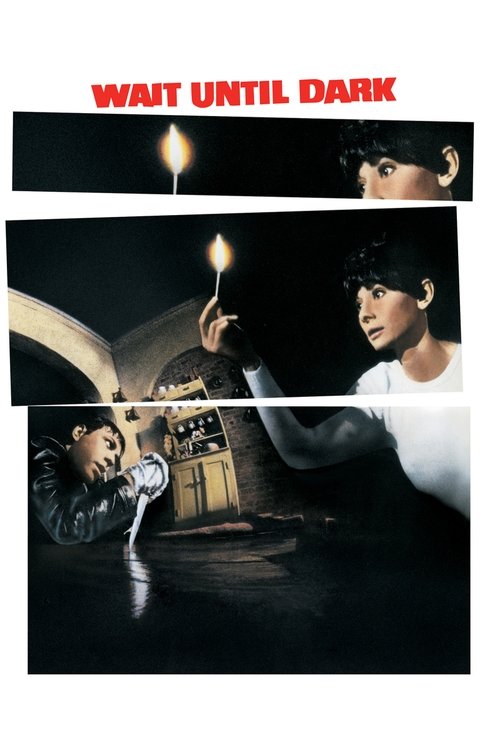
1967
No reviews yet. Be the first to share your thoughts on this movie!
Use the rating form above to leave a star rating and optional review.