
Aladim e a Lâmpada Maravilhosa
1973
No user ratings available yet
Representation score: 3.3 out of 10
Representation Score
Limited
1976
Director
J.B. Tanko
Runtime
90 minutes
Average Rating
No ratings yetNew Showbiz Analysis
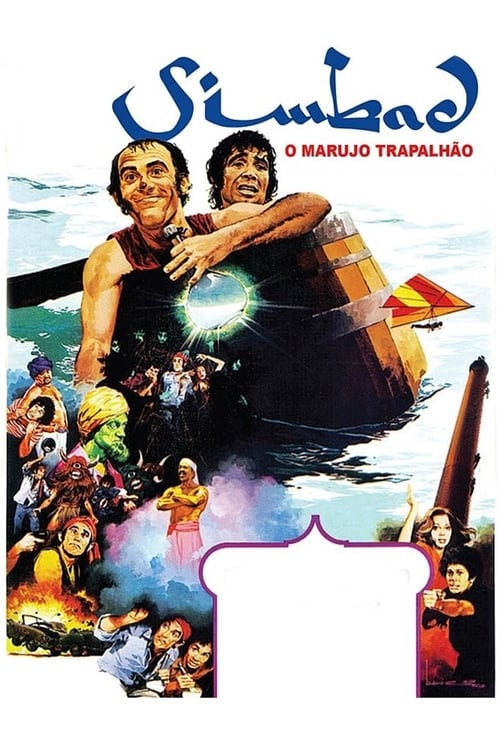
Simbad - The Trapalhão Sailor is a product of its era, prioritizing escapist slapstick and traditional adventure clichés over social complexity. The narrative architecture is built around heroic journeys and material motivations like the pursuit of the philosopher's stone. The film reinforces standard gender and romantic hierarchies, with men driving the action and women occupying secondary roles. While it utilizes a diverse aesthetic through its Orientalist setting, it lacks evidence of deep, active representation for specific ethnic identities. Ultimately, the film functions as a traditionalist comedy that reflects the storytelling priorities of 1970s Brazilian populist entertainment, focusing on physical humor rather than inclusive representation.
Category Breakdown
The film adheres to conventional structures that assume everyone is straight or cisgender. The narrative focuses on a traditional romantic pairing between Simbad and Luciana without including any queer narratives.
Male characters drive the central conflict and plot. Female characters like Luciana function within traditional hierarchies, often serving as figures to be rescued.
The fantasy setting uses Middle Eastern motifs common to the Sinbad legend. However, this approach may rely on stylized archetypes rather than deep ethnic representation.
The story follows a traditional adventure structure driven by the pursuit of wealth. It relies on folklore and myth rather than challenging social hierarchies.
There is no mention of characters with visible or invisible disabilities. No information is available to assess how disability is portrayed in this work.
Present on Screen
Limited or Absent
Official Synopsis
Kiko and Duda, circus workers, get into a big mess when Kiko is mistaken for the trampist Sinbad. The bumbling boy is then abducted by the minions of the magician Ali Tuffi, who already has in his power the genius of the magic bottle, but they need the trapeze artist, descendant of the true sailor, to locate the philosopher's stone with which he will become a man very rich, with lots of fortune and power. In an attempt to help his friends, the real trampist Simbad and his girlfriend Luciana also end up being held prisoner on the bandits' ship. After a confusion, everyone will stop on an island full of dangers, where the stone is hidden.
1973
1958

1977
1940
1975
1968
1979
1977
No reviews yet. Be the first to share your thoughts on this movie!
Use the rating form above to leave a star rating and optional review.