
Maspalomas
2025
No user ratings available yet
Representation score: 8.6 out of 10
Representation Score
Fair
2010
Director
Simon Sliphorst
Runtime
61 minutes
Average Rating
No ratings yetNew Showbiz Analysis
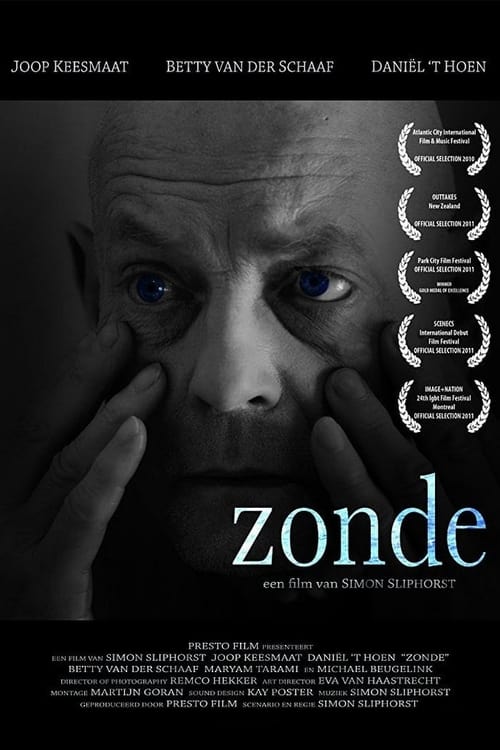
Shame (2010) provides a nuanced exploration of identity reclamation through the lens of an elderly man confronting his suppressed queer identity. The film deconstructs the expectation of lifelong marital stability, using a late-life crisis to deepen its psychological complexity. While the film introduces ethnic diversity through the character of Yorgos, the narrative primarily focuses on the protagonist's internal journey. This creates a compelling intersection of age and identity, although the female perspective feels secondary to the male crisis. Ultimately, the film serves as a critique of traditional social institutions, replacing the cliché of a contented, long-married elder with a complex examination of existential dissatisfaction and the pursuit of authenticity.
Category Breakdown
The film focuses on a protagonist's realization of his true queer identity later in life. By presenting a long marriage as a mask for suppressed feelings, it challenges the stability of traditional heterosexual relationships.
Johan is portrayed as dysfunctional, breaking away from the typical image of a stable patriarchal provider. However, the role and actions of his wife, Dora, remain unclear.
The inclusion of Yorgos, a Greek shop employee, introduces an ethnic element. This interaction disrupts the protagonist's isolated routine and expands the social setting beyond homogeneity.
The narrative questions the sanctity of traditional Western domesticity by portraying a fifty-year marriage as a source of dissatisfaction. It emphasizes individual truth over societal obligations.
There are no visible or invisible disabilities explicitly mentioned within the character descriptions or narrative overview.
Present on Screen
Limited or Absent
Official Synopsis
This year, seventy year old grumpy Johan is married with his wife Dora for fifty years. But unfortunately, Johan finds there is nothing to celebrate. Something seems missing... Something that's been out of place for all those years. He spends his daily life routine complaining and bullying and only after the moment he meets sixteen year old Yorgos, a Greek shop employee, he starts to realize he may only have a very short time left to stop denying his true feelings and identity.
2025

2020
2014
2019

2023

2012
2007

2016
No reviews yet. Be the first to share your thoughts on this movie!
Use the rating form above to leave a star rating and optional review.