
The Black Bomber
1992
No user ratings available yet
Representation score: 5.1 out of 10
Representation Score
Excellent
1997
RDirector
Román Chalbaud
Runtime
97 minutes
Average Rating
No ratings yetNew Showbiz Analysis
Román Chalbaud’s work provides a visceral look at social stratification and the struggles of the underrepresented in Caracas. The film excels at cultural critique, using an abandoned urban setting to challenge institutional corruption and elite-driven social structures. While the film offers strong representation of socio-economic struggle and non-traditional masculinity, it lacks specific evidence regarding queer identities. The portrayal of mental health through the protagonist remains central but its depth is not fully established. Overall, the film is a powerful exploration of systemic oppression and the lived realities of those living on the fringes of society.
Category Breakdown
The film does not explicitly depict LGBTQ+ identities or relationships that go beyond the assumption that everyone is straight. Instead, it centers on the survival of a family unit in a chaotic urban environment.
The story challenges traditional gender roles by focusing on a domestic space populated by women. The protagonist, a lunatic poet, presents a fractured masculinity that subverts traditional hyper-masculine archetypes.
The film explores the Venezuelan urban experience by centering on the underrepresented inhabitants of Caracas. It prioritizes the voices of the oppressed within an abandoned neighborhood.
The narrative offers a systemic critique of corrupt political structures and capitalist urban decay. It frames the struggle of the oppressed as a central driver of the story.
Adonai is portrayed as a lunatic, suggesting a depiction of neurodivergence or mental health struggles. His role as a radio broadcaster provides him with a degree of ability to act.
Present on Screen
Limited or Absent
Official Synopsis
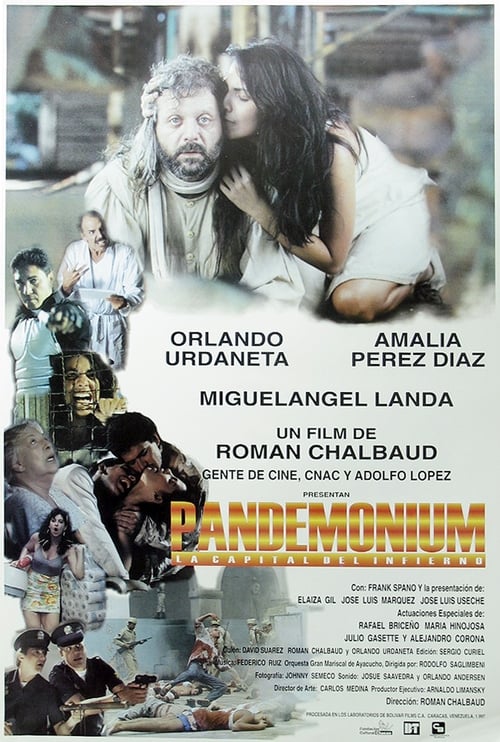
Adonai is an lunatic poet. He lives in an abandoned neighborhood of Caracas where he runs an underground radio called "Radio Pandemonium", he lives with his mom, his grandmother and a young lady who she calls very endearly, 'whore'. They survive among the corrupt, the death and the rising upheaval of the oppressed.
1992
2015
2005

2020
1988

2003

2003

1985
No reviews yet. Be the first to share your thoughts on this movie!
Use the rating form above to leave a star rating and optional review.