
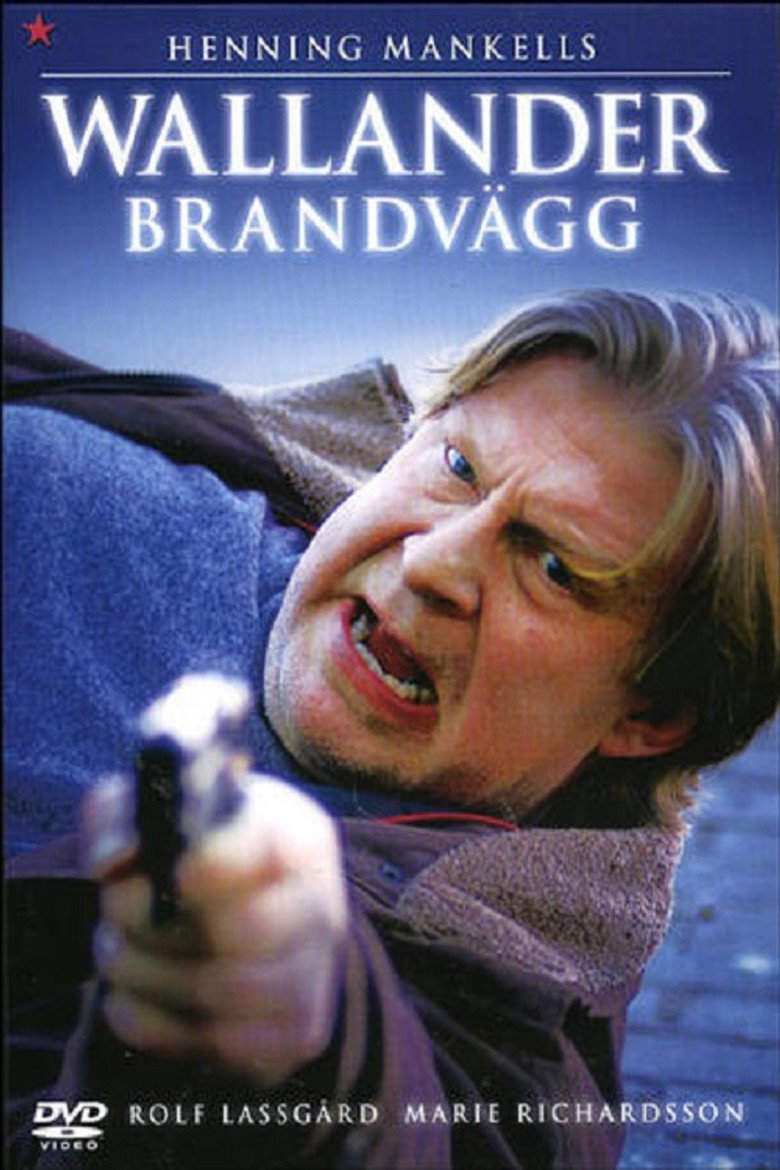
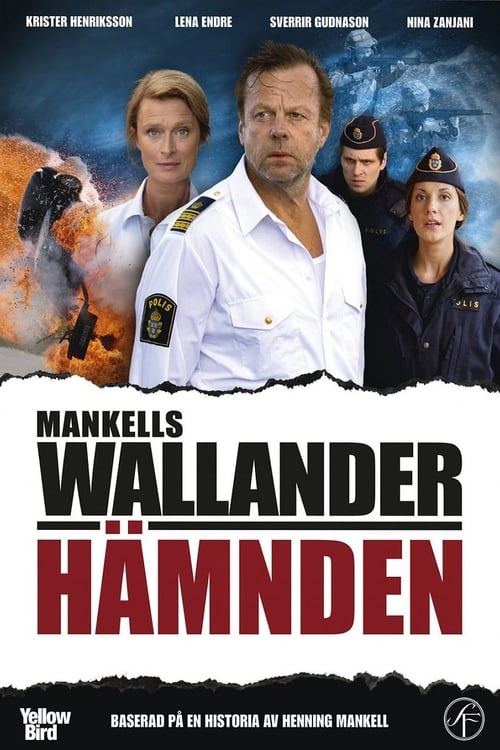
Wallander: The Thief
2009
No user ratings available yet
Diversity score: 2.8 out of 10
2006
Runtime
180 minutes
Average Rating
No ratings yetSynopsis
Kurt Wallander is thrown into a world he does not master - the computing world. An empty taxi found, heavily bloodstained and battered. Two young girls are taken in for questioning and admits murder of the taxi driver, but does not tell where the body is. The day after a man is found lying dead at an ATM with the bank statement in his hand. Two seemingly different cases, or do they have anything to do with each other? Kurt Wallander is trying to find answers, but he does not recognize himself - he feels unwell, dizzy and is forced to go to hospital.
Overall Score
Limited
Category Breakdown
LGBTQ+ Representation
The film lacks LGBTQ+ characters or non-cisnormative identities. There is no visible queer presence or exploration of same-sex intimacy within the narrative.
Gender Representation
The story centers on Kurt Wallander, a solitary male figure following traditional masculine archetypes. Female characters appear as colleagues or witnesses but do not subvert gender hierarchies.
Racial & Ethnic Diversity
The cast and setting are primarily white Swedish, reflecting a homogeneous social environment. There is no evidence of significant racial diversity or race-bent casting.
Religious & Cultural Diversity
The film critiques corporate negligence and digital-age complexities through standard thriller tropes. It does not actively promote specific non-secular or progressive ideological values.
Disability Representation
Wallander's physical symptoms and hospitalization serve as plot devices rather than a nuanced exploration of disability. No characters with disabilities are shown possessing high agency.
Strengths
Areas for Improvement
AI Analysis
Wallander: Firewall operates as a conventional Swedish crime procedural, prioritizing genre realism over intersectional representation. The narrative structure relies heavily on established noir tropes and traditional social hierarchies. The film focuses on a central male protagonist, which reinforces standard masculine archetypes. While it touches on systemic issues like corporate corruption, these themes do not extend into a broader critique of identity or social diversity. Ultimately, the production maintains a homogeneous demographic profile, lacking intentionality in disrupting traditional norms regarding race, gender, or sexual orientation.
2009

2006
2010

2009

2009
2009

2009

2005

2006
2009
2009

2013
No reviews yet. Be the first to share your thoughts on this movie!
Use the rating form above to leave a star rating and optional review.