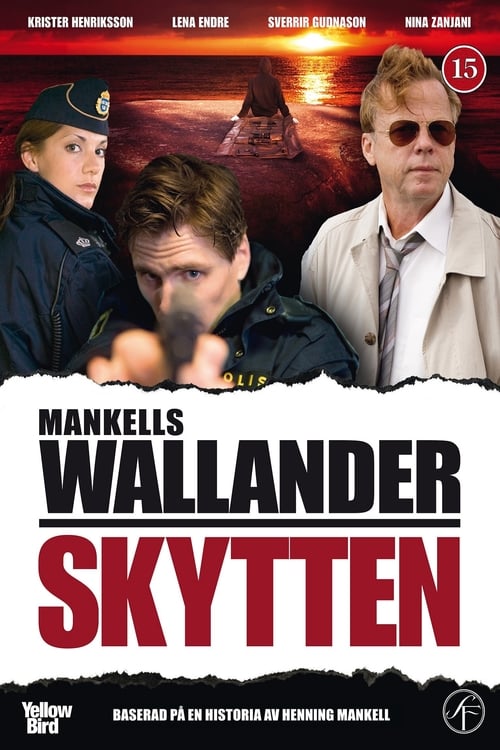
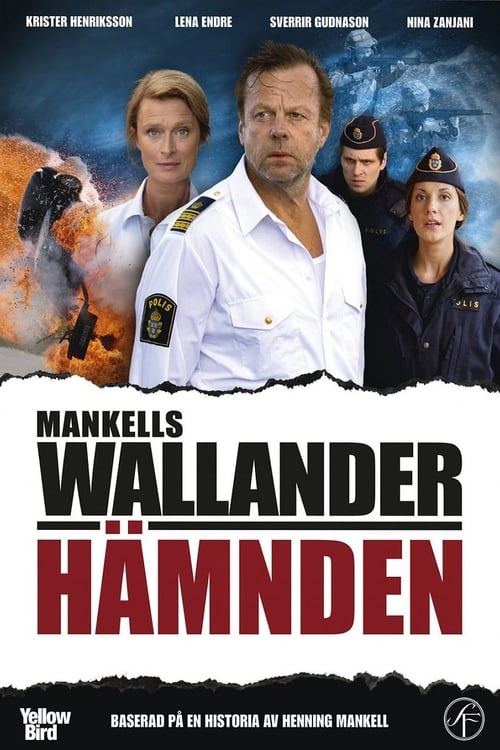
Wallander: The Sniper
2009
No user ratings available yet
Representation score: 3.3 out of 10
Representation Score
Limited
2013
TV-14Director
Agneta Fagerström-Olsson
Runtime
99 minutes
Average Rating
No ratings yetNew Showbiz Analysis
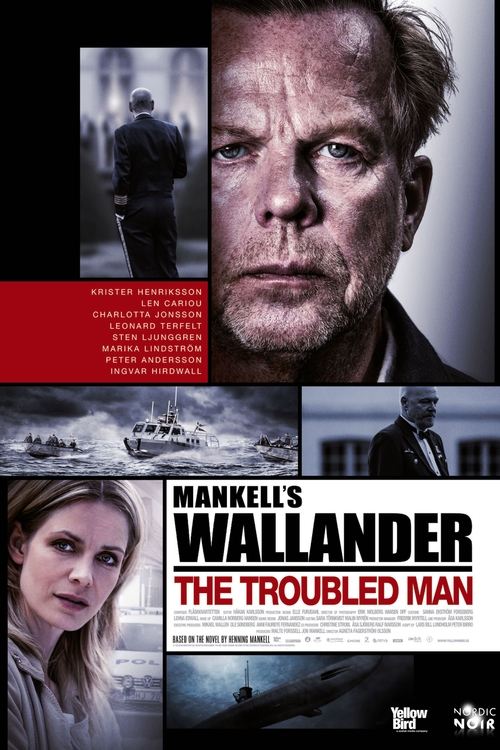
Wallander: The Troubled Man is a character study that prioritizes the atmospheric tension of Nordic Noir over demographic variety. The film excels at exploring the psychological toll of institutional labor and the existential decay of the social welfare state. However, the production adheres to traditional casting and social hierarchies. It relies on conventional masculine archetypes and a homogenous visual landscape, offering little disruption to established social norms regarding race, gender, or sexual orientation. Ultimately, the film functions as a study of individual fragility within a fraying Western order, favoring psychological depth over progressive representation.
Category Breakdown
The film does not feature prominent LGBTQ+ characters or storylines. The social landscape focuses on traditional family connections between Wallander and his daughter.
The narrative emphasizes the male experience of isolation and professional melancholy. Female characters primarily serve as catalysts for the protagonist's emotional journey or as witnesses within the investigation.
Casting is predominantly homogeneous, reflecting the specific regional setting of Ystad, Sweden. The film does not showcase a multicultural cast that challenges the local Nordic norm.
The story subtly critiques the Swedish social welfare state, highlighting loneliness and systemic failures. It does not promote institutional stability or idealized family structures.
The film explores psychological vulnerability through the protagonist's perceived cognitive decline. However, this is framed through a singular hero's struggle rather than a broader exploration of neurodivergence.
Present on Screen
Limited or Absent
Official Synopsis
Wallander has become a grandfather and is trying to seize the role as good as it goes because he wants to be closer to his daughter Linda and her family. When Linda's father-in-law mysteriously disappears, Wallander is drawn into the case that takes him back in time to the Cold War and the submarine violations in the Stockholm archipelago. At the same time, he's starting to suspect that something is not right with him...
2009
2010
2013
2013
2009
2017
2013
2009
No reviews yet. Be the first to share your thoughts on this movie!
Use the rating form above to leave a star rating and optional review.