
Wallander: The African
2005
No user ratings available yet
Representation score: 7.5 out of 10
Representation Score
Fair
2005
TV-14Director
Stephan Apelgren
Runtime
89 minutes
Average Rating
No ratings yetNew Showbiz Analysis
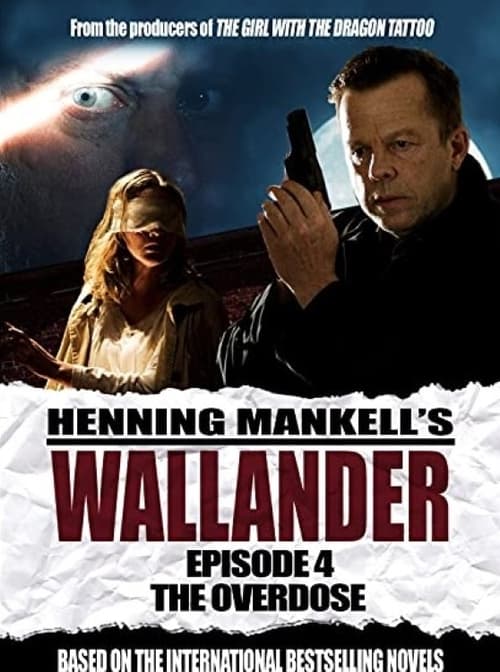
Wallander: The Overdose is a conventional Nordic Noir procedural that prioritizes atmospheric realism and genre clichés over demographic diversity. The film operates within a traditional framework, focusing on the psychological toll of crime rather than addressing multiple aspects of identity. The narrative relies on established social hierarchies. While it explores the dark side of urban life and the impact of narcotics, it does so through a lens of systemic failure rather than social disruption. Ultimately, the film maintains a homogeneous demographic composition. It offers a realistic depiction of Swedish social issues but lacks challenging or diverse character perspectives.
Category Breakdown
There are no visible LGBTQ+ characters or storylines in the film. The film does not address non-straight or non-cisgender identities.
Female characters mainly serve as victims or plot catalysts, such as the daughter whose suicide drives the story. The narrative focuses on the male protagonist's professional role.
The setting reflects a homogeneous social environment typical of mid-2000s European crime dramas. There is no evidence of significant racial diversity or non-white majority casting.
The story adheres to standard Western institutional norms and police procedural functions. It depicts the state's struggle to manage social decay without a radical ideological critique.
Mental health issues like suicide and substance abuse function as plot drivers. These elements are not presented as character studies of mental health conditions or disabilities.
Present on Screen
Limited or Absent
Official Synopsis
Kurt Wallander investigates the disappearance of a father under suspicious circumstances, as events at the local high school appear to be linked to the missing man's daughter, who recently committed suicide.
2005
2010
2005

2009

2006

2009

2006
2009
No reviews yet. Be the first to share your thoughts on this movie!
Use the rating form above to leave a star rating and optional review.