
Les Misérables
2019
No user ratings available yet
Representation score: 4.2 out of 10
Representation Score
Limited
2004
Not RatedDirector
Olivier Marchal
Runtime
111 minutes
Average Rating
No ratings yetNew Showbiz Analysis
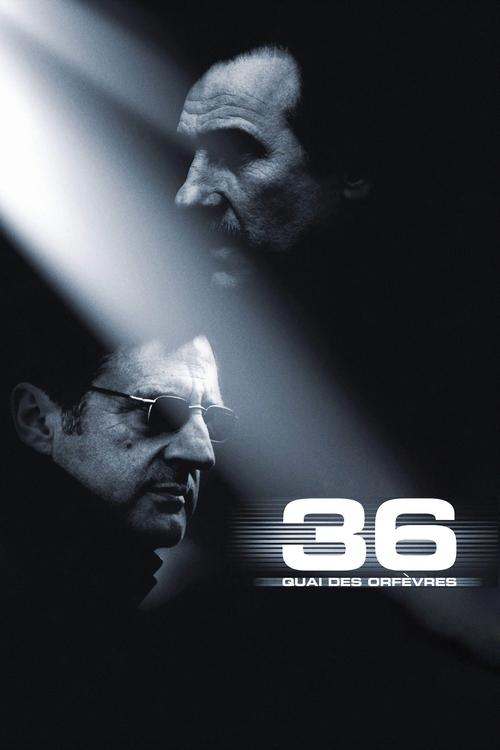
36th Precinct is a gritty crime thriller that prioritizes procedural realism and the traditions of the French polar. The narrative is driven by professional rivalry and institutional tension, keeping the focus on the mechanics of law enforcement. Because the film is rooted in a hyper-masculine genre, it lacks significant representation of women or LGBTQ+ individuals. The social landscape is depicted through the lens of urban realism rather than a conscious effort to deconstruct identity hierarchies. Ultimately, the film functions as a genre-standard exploration of crime and authority. It seeks to capture the atmosphere of the 1980s police force rather than provide a diverse or multi-layered social commentary.
Category Breakdown
The film focuses on a hyper-masculine police environment in Paris. There are no LGBTQ+ characters or narratives that challenge the assumption that everyone is straight or cisgender.
Leadership and a significant role in driving the story are concentrated almost exclusively among male characters. The central conflict revolves around male professional rivalry within a traditional hierarchy.
The cast reflects a metropolitan setting consistent with 1980s Paris. However, the film does not use multi-layered casting to disrupt historical norms.
The story explores institutional corruption and moral ambiguity. It portrays justice through individual professional struggles rather than systemic critiques of Western institutions.
There is no documented evidence regarding the inclusion of characters with visible or invisible disabilities.
Present on Screen
Limited or Absent
Official Synopsis
In Paris, two cops are competing for the vacant job of chief of police, in the middle of the search for a gang of violent thieves. The movie is directed by Olivier Marchal, a former police officer who spent 12 years with the French police before creating this story, taken in part from real events of the 1980s.
2019
2005
2005
1983
1964
2003

2015
2010
No reviews yet. Be the first to share your thoughts on this movie!
Use the rating form above to leave a star rating and optional review.