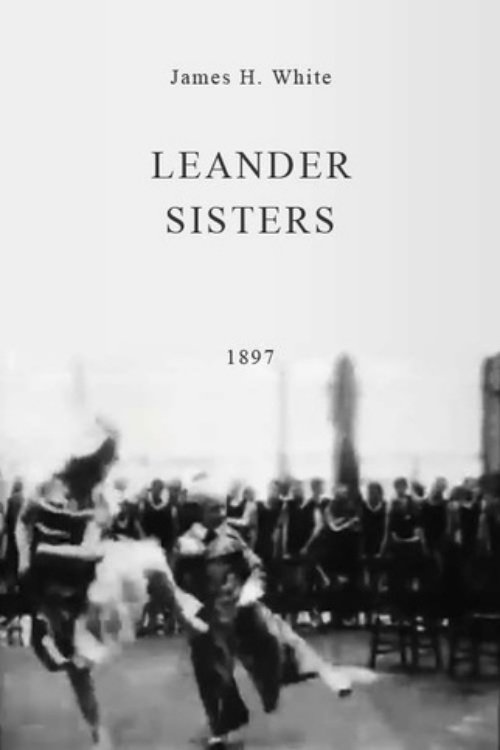
Leander Sisters
1897
No user ratings available yet
Representation score: 0.9 out of 10
No Poster Available
Representation Score
Minimal
1902
Runtime
1 minutes
Average Rating
No ratings yetNew Showbiz Analysis
A Tough Dance serves as a historical record of turn-of-the-century performance rather than a modern tool for inclusive representation. It captures the era's focus on class boundaries and the perceived dangers of public physical expression. The film's strength lies in its portrayal of the divide between institutionalized decorum and the raw realities of urban subcultures. It presents a controlled spectacle of disreputable behavior for middle-class audiences. However, the work lacks meaningful representation of underrepresented groups, focusing instead on the social tensions of the Parisian demimondaine subculture.
Category Breakdown
The film focuses on a traditional male-female relationship. There are no characters with non-binary gender identities or same-sex relationships.
The female character avoids stereotypical roles through physical struggle. However, the interactions remain within a conventional framework that assumes everyone is straight or cisgender.
The title 'Apache' refers to a Parisian subculture rather than Native Americans, functioning as cultural mislabeling.
The film offers a look into the 'demimondaine' class and working-class realities. It highlights the tension between social classes and strict moral codes.
There are no characters with neurodivergence or physical disabilities in this performance.
Present on Screen
Limited or Absent
Official Synopsis
A man and a woman, both dressed in rough clothing, go around and around, half dancing and half wrestling, until they tumble to the ground in a heap. The Apache dance was named not after the Indians of the American Southwest, but the lower class demimondaines of Paris. Acts like this were popular because they permitted their audiences to go slumming, attending events that looked and seemed risky but in truth were not. Acts like this were part of the reason that public dancing was often seen as disreputable. Polite society restricted their dancing to private parties where dances like the waltz and polka -- which had been shocking half a century earlier -- were performed. It would take the influence of Vernon and Irene Castle and the rise of night clubs during Prohibition to make public dancing respectable again. In the meantime, there's this. It's not very graceful.
1897
1896
1897

1895
1902
1897
1896
1897
No reviews yet. Be the first to share your thoughts on this movie!
Use the rating form above to leave a star rating and optional review.