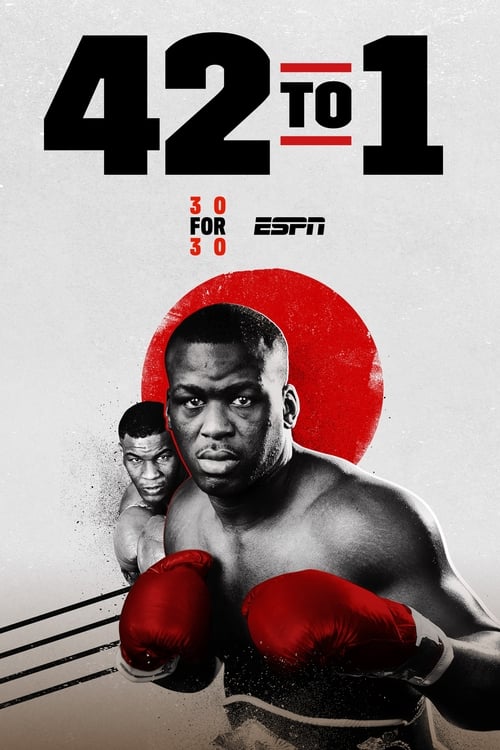
42 to 1
2018
No user ratings available yet
Representation score: 1.7 out of 10

Representation Score
Good
2017
PG-13Director
Chris Perkel
Runtime
84 minutes
Average Rating
No ratings yetNew Showbiz Analysis
Foreman offers a profound deconstruction of the traditional sports hero/villain dichotomy. By framing George Foreman's defeat as a catalyst for spiritual transformation rather than a character failure, the film moves beyond simple athletic meritocracy. The documentary succeeds in providing a nuanced portrait of a Black man reclaiming his role. It effectively challenges systemic labels and the rigid expectations placed upon Black men within American institutions. However, the film's scope is narrow, focusing almost exclusively on a singular masculine experience. This results in a lack of diverse perspectives on gender and LGBTQ+ identities.
Category Breakdown
The film follows a traditional biographical arc focused on Foreman’s spiritual and professional journey. There are no explicit LGBTQ+ characters or non-cisgender identities.
The narrative centers on a singular male protagonist, focusing on masculine struggle and achievement. It utilizes traditional archetypes like the athlete and the minister, offering limited challenges to gender hierarchies.
The film provides a significant platform for a Black protagonist navigating professional sports and religion. It challenges racialized stereotypes by replacing the 'aggressive athlete' stereotype with a nuanced study of resilience.
The story prioritizes subjective spiritual truth over rigid dogma by depicting Foreman's transition to an ordained minister. It uses the underdog arc to critique the unforgiving hierarchies of professional sports.
The film touches on a near-death experience and the psychological toll of defeat. However, it focuses on existential crisis rather than the impact of physical or cognitive disabilities.
Present on Screen
Limited or Absent
Official Synopsis
Cast as America’s Villain in the famed Rumble in the Jungle against Muhammad Ali, George Foreman lost one of the greatest fights in sports history. Immediately after the defeat, "Big George" fell into a spiral that made him abandon boxing and spend 10 years becoming an ordained minister following a near death experience. 20 years later on and into his 40’s, Foreman began an improbable climb back to the summit of world boxing becoming the heroic figure he’d always been destined to be, and writing one of the greatest underdog stories ever told.
2018
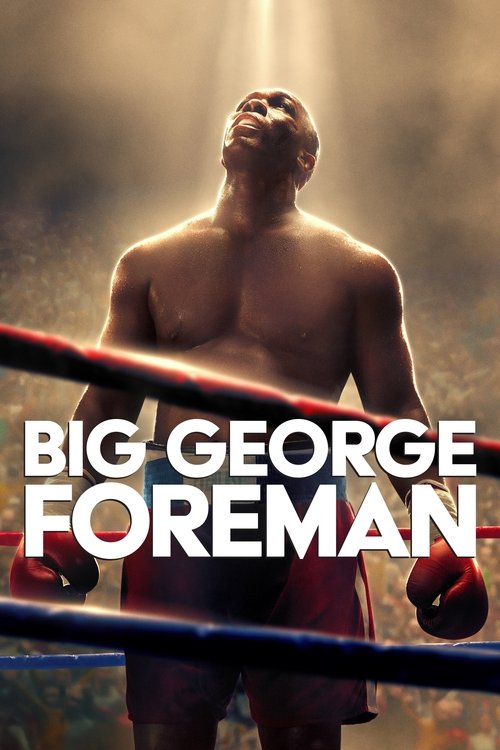
2023
2011

2023
1974
2008
2020
2017
No reviews yet. Be the first to share your thoughts on this movie!
Use the rating form above to leave a star rating and optional review.