
Foreman
2017
No user ratings available yet
Representation score: 7.4 out of 10
Representation Score
Fair
2011
Director
Jeff Feuerzeig
Runtime
55 minutes
Average Rating
No ratings yetNew Showbiz Analysis
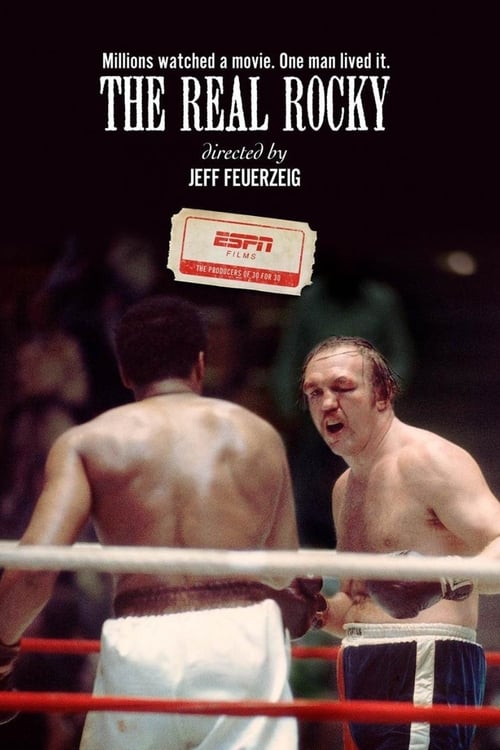
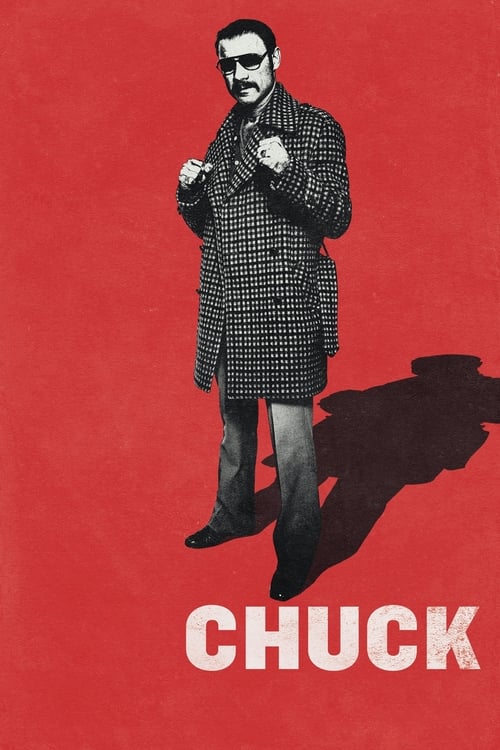
The documentary provides a humanistic look at Chuck Wepner, the man who inspired the 'Rocky' myth. It deconstructs the gap between cinematic glory and the reality of the individual left behind. This offers a compelling critique of how success is distributed in sports and Hollywood. However, the film remains rooted in traditional biographical storytelling. It does not use diverse identity or challenge social hierarchies as its main narrative engine. The focus is on a singular, hyper-masculine life rather than a broad systemic deconstruction. Ultimately, the film is a study of individual struggle. While it touches on significant historical figures, it lacks a diverse range of perspectives or a central focus on underrepresented identities.
Category Breakdown
The film focuses on Chuck Wepner's life journey. There are no visible LGBTQ+ characters or narratives that challenge assumptions about straight relationships.
The documentary centers on the hyper-masculine world of heavyweight boxing. It reinforces traditional masculine stereotypes without challenging gender hierarchies or featuring strong female characters.
While the narrative touches on racial icons like Muhammad Ali and Sonny Liston, the focus remains on Wepner's personal experience. It lacks explicit evidence of intentional diverse casting.
The film offers a nuanced critique of the American Dream and capitalist structures. It highlights how individuals are often excluded from the cultural rewards of the myths they inspire.
The story explores the physical toll of boxing and the fragility of the human body. It addresses physical trauma and vulnerability through the lens of athletic struggle.
Present on Screen
Limited or Absent
Official Synopsis
Chuck Wepner is a liquor salesman from Bayonne, N.J., who drives a Cadillac with “Champ” vanity plates. A former New Jersey State Heavyweight Boxing Champion, he took abuse from Sonny Liston, got his nose broken by Muhammad Ali, and inspired Sylvester Stallone to write “Rocky” which won three Academy Awards. Wepner was left out of the “Rocky” glory, and his career took turn after strange turn as he worked to stay in the spotlight: he went on to fight Andre the Giant as “The Assassin” and boxed a 900 pound bear. Twice.
2017
2008
2015
2017
2004

2023
2017
2017
No reviews yet. Be the first to share your thoughts on this movie!
Use the rating form above to leave a star rating and optional review.