
Don't Worry Baby
2016
No user ratings available yet
Representation score: 3.2 out of 10

Representation Score
Limited
2020
Director
Phuwanet Seechomphu
Runtime
128 minutes
Average Rating
No ratings yetNew Showbiz Analysis
The film functions as a situational comedy-drama focusing on the unexpected responsibilities of potential fatherhood. It uses the cliché of accidental responsibility to drive a plot about biological lineage and domestic duties. While the narrative challenges certain masculine archetypes by placing men in caretaking roles, it remains within conventional boundaries. The focus is on interpersonal conflict rather than a critique of systemic social institutions. Ultimately, the work lacks the complex, multi-layered layering necessary for a higher progressive score, functioning instead as a study of traditional social and familial obligations.
Category Breakdown
The film does not include characters with non-binary gender identities. The main conflict revolves around traditional biological parenthood and heterosexual relationships.
The story challenges traditional masculine stereotypes by placing men in domestic caretaking roles. However, the women's roles are primarily defined by their status as expectant mothers.
As a Thai production, the film offers regional representation. There is no specific evidence of intentional multi-layered casting or challenging ethnic hierarchies.
The plot engages with traditional themes of family responsibility and social behavior. It emphasizes familial obligations within conventional community structures.
There is no mention of characters dealing with physical, neurodivergent, or mental health conditions in the narrative.
Present on Screen
Limited or Absent
Official Synopsis
Three young men did women pregnant for the first time without knowing who is the real father of the children, so they have to taking care of the women and children until they receive the DNA test results.
2016
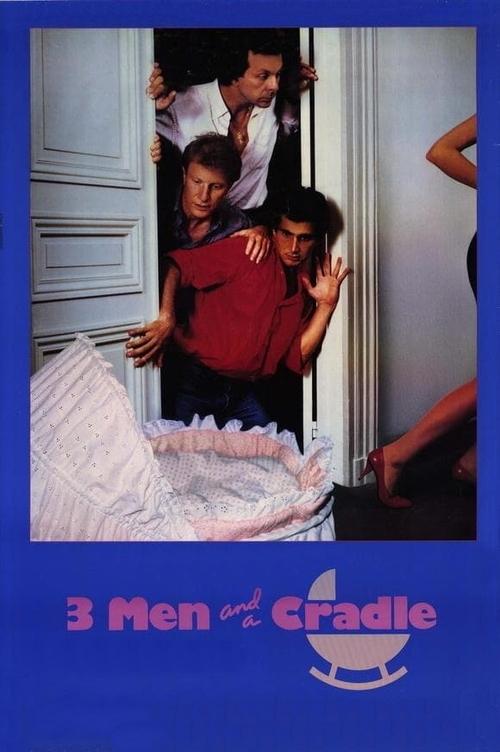
1985
2021

2022

2016
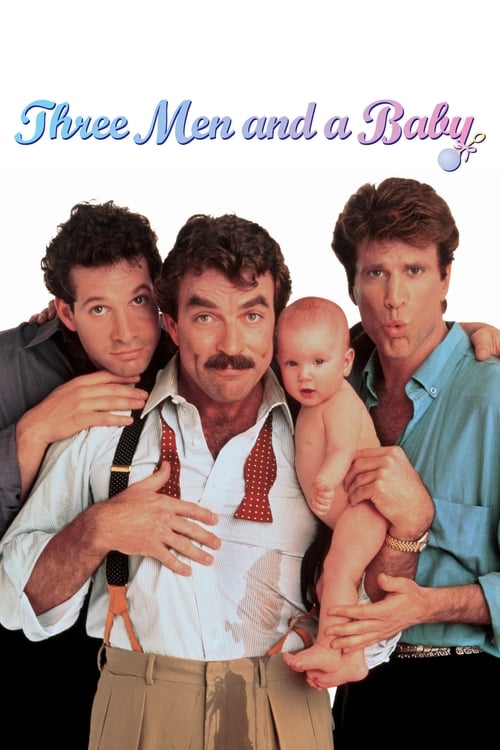
1987

2021

2013
No reviews yet. Be the first to share your thoughts on this movie!
Use the rating form above to leave a star rating and optional review.