
Police
1985
No user ratings available yet
Representation score: 4.6 out of 10
Representation Score
Limited
2004
Director
Ra'up McGee
Runtime
110 minutes
Average Rating
No ratings yetNew Showbiz Analysis
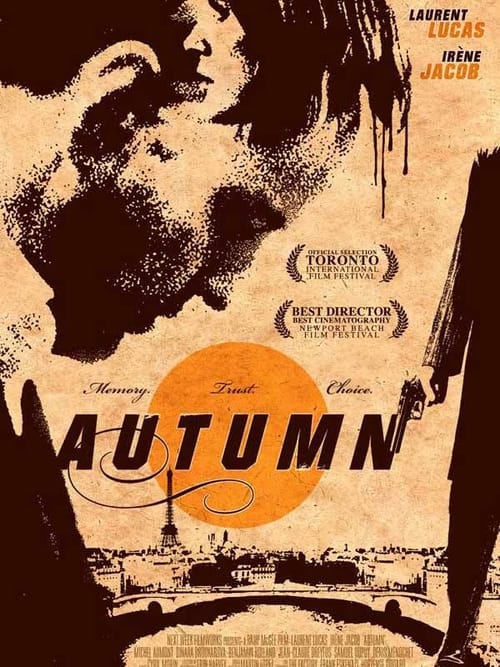
Autumn operates primarily as a standard crime drama focused on individual survival and romantic tension. It avoids deep social or identity-based explorations in favor of genre-driven conflict. While the film offers moderate subversion of gender roles through its female characters' active participation in the criminal underworld, it lacks multi-layered complexity. The narrative structure remains rooted in traditional forms. Ultimately, the film lacks the systemic critique or demographic breadth required for a higher progressive score, leaning instead toward a localized, homogeneous character study.
Category Breakdown
The story centers on a traditional romantic relationship between Jean-Pierre and Michelle. There is no explicit depiction of LGBTQ identities or non-straight relationships within the narrative.
Michelle actively participates in the criminal underworld and challenges traditional gender expectations by being a contract killer. Her role as a female contract killer defies typical stereotypes of physical strength and threat.
The film appears to be a homogeneous European character study set in Paris. There is no evidence of diverse ethnic backgrounds or intentional demographic blending.
The drama focuses on moral ambiguity and personal loyalty rather than broader cultural or institutional themes. It functions as a character-driven survival story without exploring systemic critiques.
No visible or invisible disabilities are portrayed among the primary characters. The narrative does not address neurodivergence or physical impairments.
Present on Screen
Limited or Absent
Official Synopsis
Jean-Pierre is a hit man in Paris. He wants to stop; an incentive is reconnecting to Michelle, a childhood friend. He's ready to commit himself to her, but she has her own secrets: she sells bomb components to thugs. He hears rumors of a missing briefcase, which he finds in Michelle's flat. He asks no questions, and soon both of them are in trouble with Jean-Pierre's ex-employer and with her bomb buyers. Two other characters complicate the maneuvering: Jean-Pierre's best friend, who's always losing money on the ponies, and the ex-employer's new contract killer, a seemingly fragile woman. Is there any way that Jean-Pierre can protect Michelle and escape with his life? Written by
1985
1937
1994

1984

2007

1989
1991
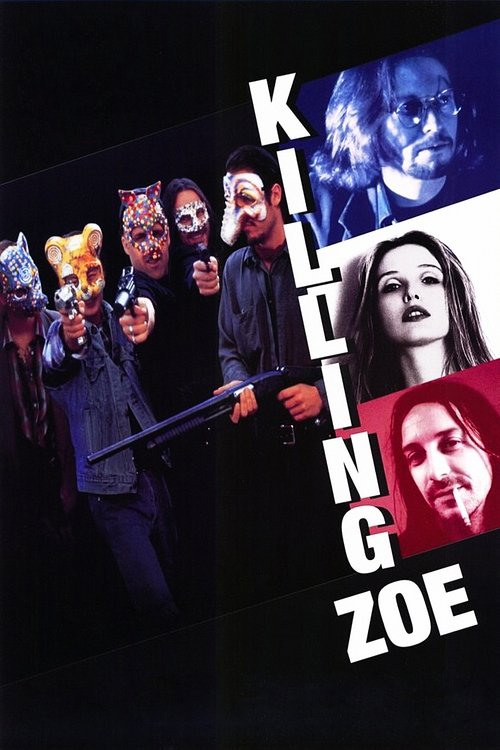
1993
No reviews yet. Be the first to share your thoughts on this movie!
Use the rating form above to leave a star rating and optional review.