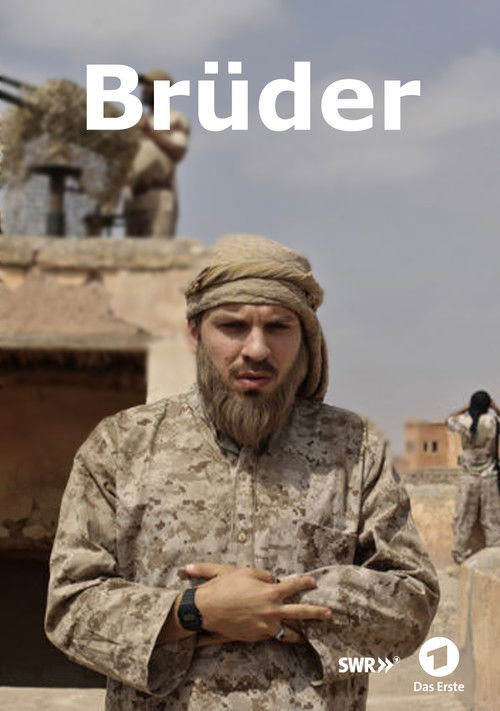
Brothers
2017
No user ratings available yet
Representation score: 4.5 out of 10

Representation Score
Limited
2013
Director
Merzak Allouache
Runtime
87 minutes
Average Rating
No ratings yetNew Showbiz Analysis
The film 'The Repentant' is a localized character study that emphasizes cultural specificity over broad inclusivity. It presents an authentic Algerian reality, avoiding the outsider perspective often found in Western cinema. By focusing on North African identities, the film offers a unique counter-perspective to Anglo-centric narratives. However, the film's narrow focus reinforces traditional gender roles and values, limiting its scope for characters who reflect more than one aspect of diversity. The absence of LGBTQ+ characters and individuals with disabilities restricts the film's progressive reach. Ultimately, the work is a specialized psychological drama that prioritizes a deep, localized exploration of post-conflict reintegration over broad social diversity.
Category Breakdown
The film does not include any identifiable LGBTQ+ characters or narratives. The story centers on the protagonist's return to a traditional social structure, without any queer-coded subtext.
The narrative follows a traditional patriarchal framework, exploring the psychological isolation of men but lacking evidence of women's ability to drive the story or subversion of gender hierarchies.
The film successfully showcases authentic ethnic representation by featuring a North African cast. It avoids Western-centric clichés to highlight a specific Algerian experience.
The film delves into complex themes of morality and institutional harmony, critiquing state-driven social engineering through the protagonist's internal struggles.
There are no characters with visible or invisible disabilities in the film. None of these characters serve as central narrative drivers or have specific ability to act.
Present on Screen
Limited or Absent
Official Synopsis
Algeria region of the high flatlands. As Islamist groups continue to spread terror, Rashid, a young Jihadist, leaves the mountains to return to his village. In keeping with the law « of pardon and national harmony », he has to surrender to the police and give up his weapon. He thus receives amnesty and becomes a « repenti ». But the law cannot erase his crimes and for Rachid it's the beginning of a one-way journey of violence, secrets and manipulation.
2017
2019
2018
2021
1994

2016
2020

2013
No reviews yet. Be the first to share your thoughts on this movie!
Use the rating form above to leave a star rating and optional review.