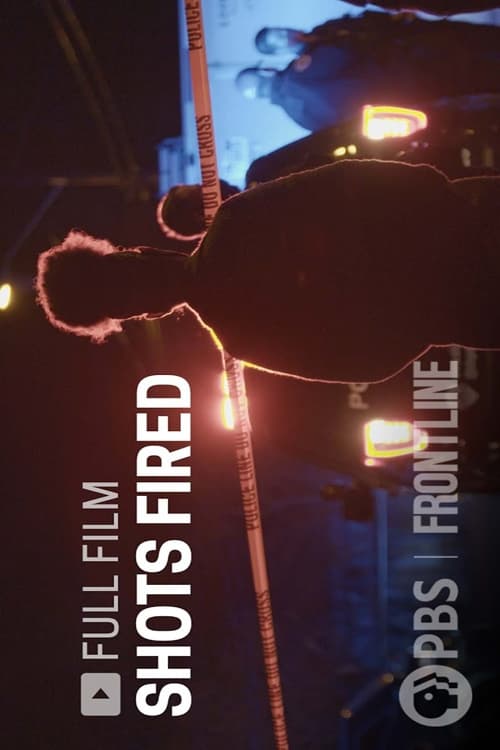
Shots Fired
2021
No user ratings available yet
Representation score: 4.0 out of 10

Representation Score
Fair
2018
TV-14Director
Rick Rowley
Runtime
92 minutes
Average Rating
No ratings yetNew Showbiz Analysis
16 Shots is a powerful investigative documentary that dismantles the myth of institutional neutrality. By centering the 2014 shooting of Laquan McDonald, the film exposes the mechanics of state-sanctioned violence and the subsequent efforts to obscure the truth. The film excels in its portrayal of racial justice, giving a significant role in driving the story to Black families fighting against a biased policing system. It moves beyond simple crime reporting to offer a profound critique of systemic corruption. While the film lacks engagement with LGBTQ+ or disability-related identities, its deep dive into racialized policing and institutional accountability provides significant thematic depth.
Category Breakdown
The documentary focuses on a specific incident of racialized violence and legal corruption. There is no discernible focus on or presence of LGBTQ+ identities within the primary narrative arc.
The film provides a nuanced look at the impact of systemic violence on the community. However, the primary actors in the legal and policing hierarchies are depicted through a traditional masculine lens.
The narrative centers on the experiences of a Black youth and the systemic pressures faced by Black communities in Chicago. It provides high ability to act to the victims and their families.
The film critiques traditional Western and state institutions by portraying the police and legal systems as corrupt. It prioritizes a perspective that challenges the perceived infallibility of state authority.
There is no evidence of a focus on neurodivergence or physical disabilities as central narrative elements within the film's subject matter.
Present on Screen
Limited or Absent
Official Synopsis
Documentary examining the 2014 shooting of 17-year-old Laquan McDonald by Chicago police officer Jason Van Dyke and the cover-up that ensued.
2021
2002
2017
2012
2020
2015
2016
2015
No reviews yet. Be the first to share your thoughts on this movie!
Use the rating form above to leave a star rating and optional review.