
Camino Skies
2019
No user ratings available yet
Representation score: 7.7 out of 10
Representation Score
Good
2013
Director
Lydia B. Smith
Runtime
84 minutes
Average Rating
No ratings yetNew Showbiz Analysis
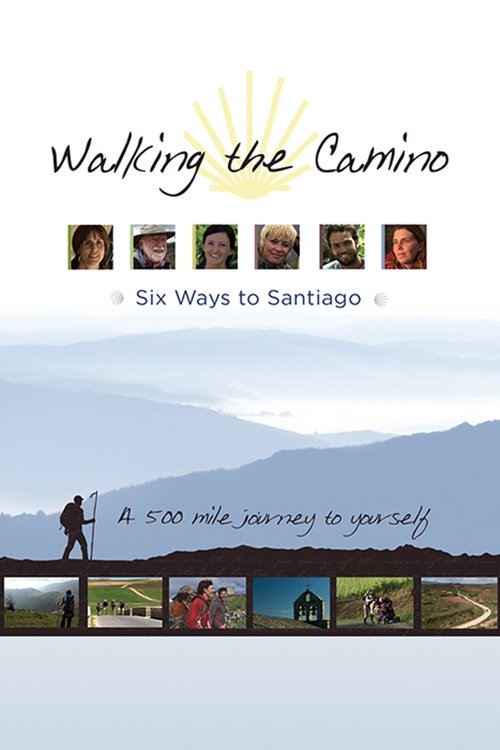
Walking the Camino: Six Ways to Santiago shifts the focus of the pilgrimage from institutional religion to personal, internal experiences. It centers on the individual's role in self-transformation through a physical journey. The documentary downplays rigid religious doctrine and instead highlights the open-mindedness of its participants, allowing for a variety of human perspectives and secular spirituality. While it does not radically challenge social norms, it aligns moderately with progressive values centered on personal growth.
Category Breakdown
The film does not explicitly feature LGBTQ+ characters or stories about non-straight identities. It focuses on the shared human experience rather than identity politics.
Six strangers share their perspectives, showing a range of gender views. However, the story emphasizes the collective journey over challenging traditional gender roles.
Participants come from very diverse backgrounds, suggesting an effort to include a broad range of demographics in a pilgrimage usually linked to European heritage.
The film highlights personal spiritual journeys and subjective morality. It frames the pilgrimage as a personal quest, moving away from the strict authority of the Catholic Church.
The long trek touches on themes of physical limitations. However, there is no specific mention of characters with visible or invisible disabilities.
Present on Screen
Limited or Absent
Official Synopsis
'A Walk to Within: The Camino de Santiago' tells the story of walking the ancient 500-mile pilgrimage across norther Spain known as 'The Camino de Santiago'. The documentary follows six strangers from incredibly diverse walks of life as they attempt to cross an entire country on foot with only a backpack, a pair of boots, and an open mind. Each pilgrim throws themselves heart-and-soul into their physical trek to Santiago de Compostela, and their personal journey to themselves. As you watch, you will learn the rich history of this honored tradition, as well as witness the Camino's remarkable ability to change lives and provide those who choose to walk its paths with a greater sense of self and spiritual knowledge.
2019

2014

2013
2017

2018
2014
2014

2016
No reviews yet. Be the first to share your thoughts on this movie!
Use the rating form above to leave a star rating and optional review.