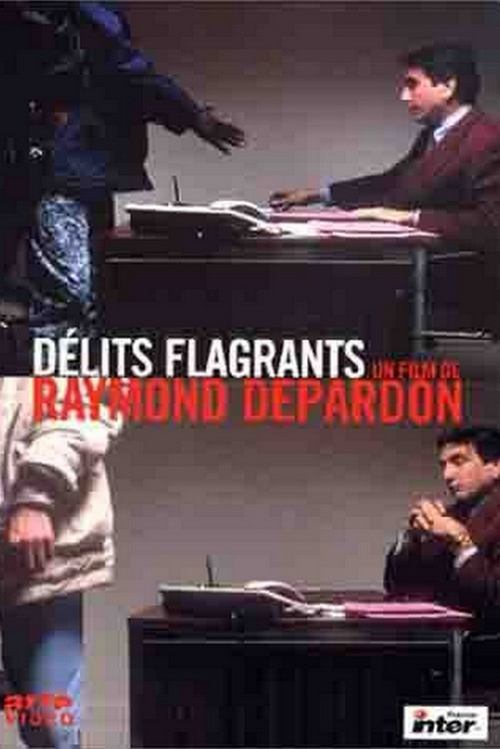
Caught in the Acts
1994
No user ratings available yet
Representation score: 7.1 out of 10

Representation Score
Good
2004
Not RatedDirector
Raymond Depardon
Runtime
105 minutes
Average Rating
No ratings yetNew Showbiz Analysis
Raymond Depardon’s documentary offers a sophisticated, non-interventionist look at the French judicial system. By focusing on the mundane mechanics of the court, the film avoids the heightened sentimentality of typical legal dramas. The work presents a realistic, multi-ethnic portrait of Parisian society and challenges gendered leadership norms by centering a female judge. These elements provide a grounded view of how state institutions interact with a diverse citizenry. However, the film lacks intentional visibility regarding LGBTQ+ identities and disability. These subjects appear only incidentally, as the observational style prioritizes procedural reality over specific thematic explorations of identity.
Category Breakdown
The film focuses on the French judicial system without highlighting specific narratives centered on LGBTQ+ identities or queer-coded subtext.
The film centers around a female judge, disrupting traditional patriarchal hierarchies by showcasing her authority and the intellectual rigor needed to navigate legal bureaucracy.
The documentary captures a diverse range of defendants, reflecting the multicultural composition of Parisian society and providing a nuanced look at how ethnicity intersects with the administration of justice.
Depardon’s approach emphasizes secularism and situational ethics rather than promoting a singular moral or religious ideal. The film deconstructs the perceived infallibility of Western judicial systems.
There is no evidence of a concentrated effort to highlight neurodivergence or physical disabilities. Disability appears only as an incidental part of the captured reality.
Present on Screen
Limited or Absent
Official Synopsis
The proceedings of a Paris courtroom are the grist for this documentary. Drawn from over 200 appearances before the same female judge, the director chooses a dozen or so varied misdemeanor and civil hearings to highlight the subtle details of human behavior. In the process he draws attention to issues of guilt, innocence, policing and ethnicity in France.
1994
2012
2017

2002
1983

2020
2004

2002
No reviews yet. Be the first to share your thoughts on this movie!
Use the rating form above to leave a star rating and optional review.