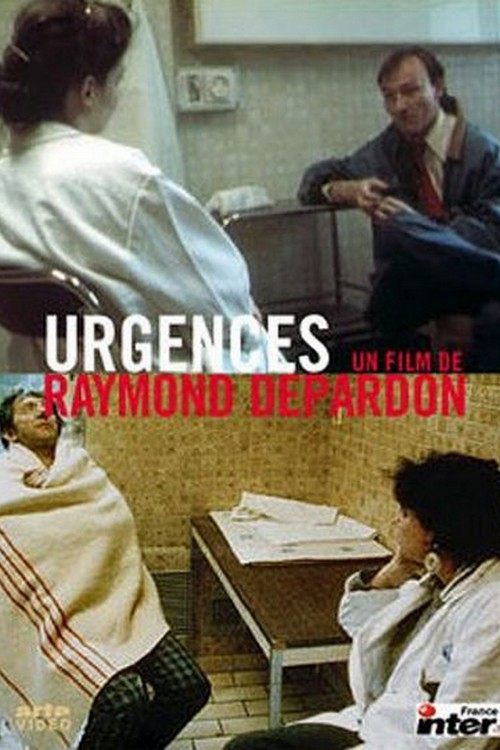
Emergencies
1988
No user ratings available yet
Representation score: 7.7 out of 10
Representation Score
Good
2017
Director
Raymond Depardon
Runtime
87 minutes
Average Rating
No ratings yetNew Showbiz Analysis
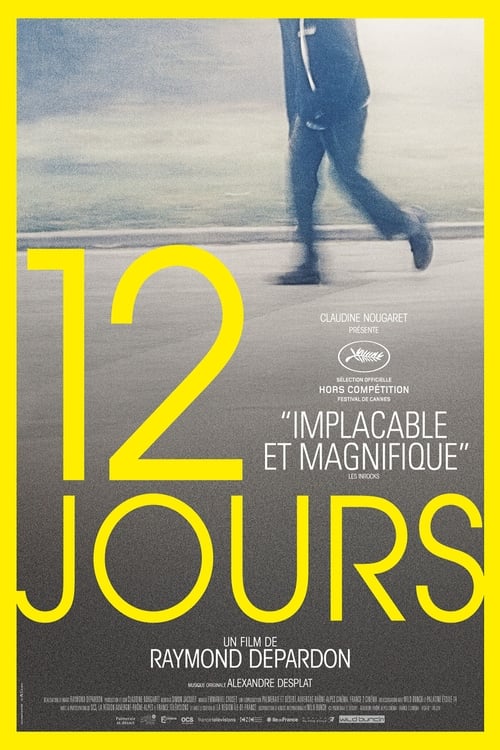
Raymond Depardon uses a documentary style to explore the intersection of justice and psychiatry. The film avoids the dramatic aspects of courtrooms, opting instead for a critical look at systemic structures through observational realism. While the film offers a realistic view of professional hierarchies, it does not actively seek to challenge identity-based narratives. Instead, it serves as a reflection of the current social landscape without relying on overt narrative subversion or heroic clichés.
Category Breakdown
The film focuses on a judicial institution without highlighting LGBTQ+ identities or non-straight relationships. This results in a neutral portrayal of LGBTQ+ issues.
Women are shown in positions of authority, such as judges and lawyers. However, the film maintains a formal tone and does not challenge traditional gender roles.
The cast reflects the demographics of the French judicial system. There is no clear effort to center non-white perspectives as the main narrative focus.
The film examines the bureaucracy of the judicial system by focusing on the everyday aspects of legal proceedings. This approach implicitly questions the efficiency and morality of Western institutions.
The film explores the intersection of justice and psychiatry, engaging with mental health issues. Defendants are shown clinically, often acting as subjects rather than agents of change.
Present on Screen
Limited or Absent
Official Synopsis
A new documentary by filmmaker-photographer Raymond Depardon – where justice and psychiatry meet.
1988

2011

1994

2015

1981

2011

2007

2004
No reviews yet. Be the first to share your thoughts on this movie!
Use the rating form above to leave a star rating and optional review.