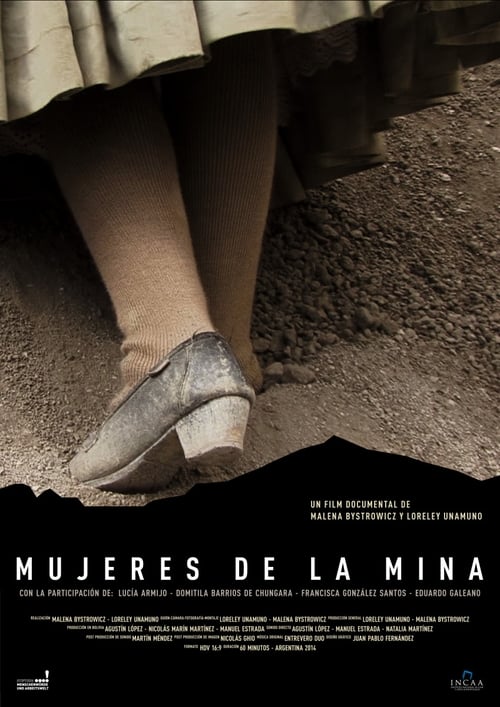
Women of the Mine
2014
No user ratings available yet
Representation score: 6.5 out of 10

Representation Score
Good
2004
Director
Yeşim Ustaoğlu
Runtime
68 minutes
Average Rating
No ratings yetNew Showbiz Analysis
Yeşim Ustaoğlu’s documentary is a powerful exercise in social realism, shifting the focus from male-dominated political discourse to the domestic and physical endurance of women. By centering the Laz village of M3’anu, the film disrupts traditional ethnographic clichés. The work succeeds in portraying women as active agents of survival rather than mere victims of their environment. It effectively uses the intersection of gender and labor to critique the systemic economic pressures facing rural populations. While the film lacks LGBTQ+ representation and specific clinical disability depictions, it finds depth in the physical toll of labor and the resilience of a specific ethnic identity.
Category Breakdown
The film focuses on traditional communal and familial structures. There are no LGBTQ+ characters or narratives addressing non-straight relationships.
The narrative highlights the intellectual and physical resilience of women rather than passive victimhood. Women are centered as the primary drivers of survival and cultural continuity.
The documentary provides a deep dive into the Laz ethnic minority in Turkey. It offers authentic, complex representation of a localized population without a touristic gaze.
The film critiques capitalist structures by illustrating how systemic hardship affects the working class. It prioritizes the lived experiences of underrepresented communities over institutional narratives.
The film explores the invisible disability of chronic physical exhaustion caused by manual labor. Characters' endurance is portrayed with dignity within their socioeconomic reality.
Present on Screen
Limited or Absent
Official Synopsis
The documentary shot in a Laz village called M3’anu is about the lives of women living in the region. The documentary focuses on women who have a great endurance without being crushed under the heavy load they carry on their backs, the difficulties of living conditions and the heavy load brought by taking care of their families, nevertheless, they do not give up their songs and smile on their faces.
2014

2023
1998

2004
2005
2016
2006
2004
No reviews yet. Be the first to share your thoughts on this movie!
Use the rating form above to leave a star rating and optional review.