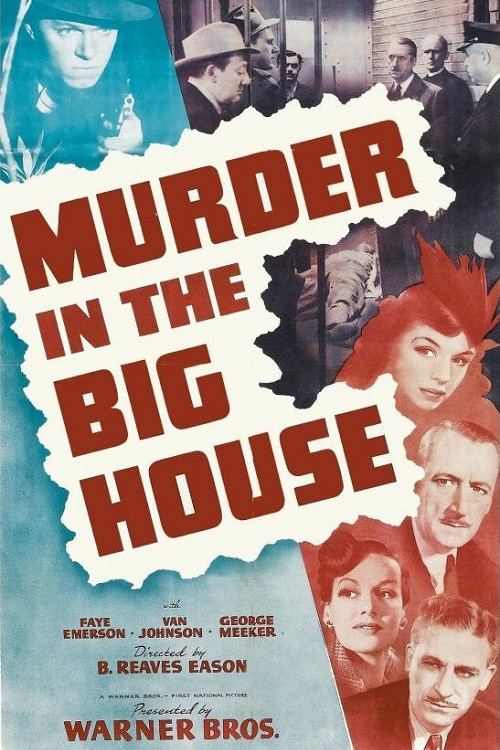
Murder in the Big House
1942
No user ratings available yet
Representation score: 0.8 out of 10
Representation Score
Minimal
1942
ApprovedDirector
D. Ross Lederman
Runtime
61 minutes
Average Rating
No ratings yetNew Showbiz Analysis
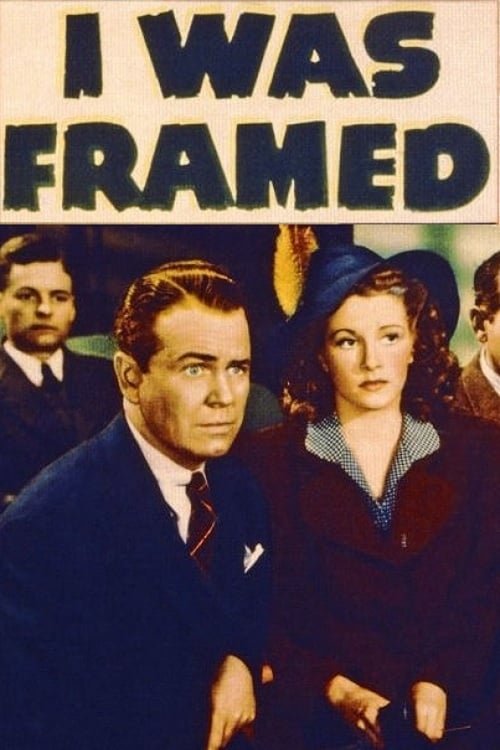
I Was Framed is a conventional 1942 crime drama that adheres strictly to the genre clichés of its time. The plot follows a standard 'man against the system' storyline, focusing on a reporter seeking vindication against a corrupt politician. The film does not intentionally disrupt social or gender hierarchies. Instead, it operates as a streamlined B-movie procedural centered on individual justice and personal exoneration. Due to its focus on efficient storytelling and traditional genre conventions, the film offers limited characters who reflect more than one aspect of diversity or diverse character perspectives.
Category Breakdown
The film does not include any LGBTQ+ identities or same-sex relationships. It focuses on a male protagonist fighting against political corruption.
The story centers around a male reporter navigating a corrupt system, reflecting the era's emphasis on traditional gender roles in crime dramas.
The film likely reflects the homogeneous casting practices of the 1940s. There is no indication of significant non-white character involvement or diverse casting.
The film provides a moderate critique of power through its exploration of institutional corruption. However, it functions as a typical morality play rather than a deeper systemic critique.
There is no evidence of characters with visible or invisible disabilities in the narrative.
Present on Screen
Limited or Absent
Official Synopsis
A reporter runs from charges by a corrupt politician only to face them years later.
1942
1942
1936
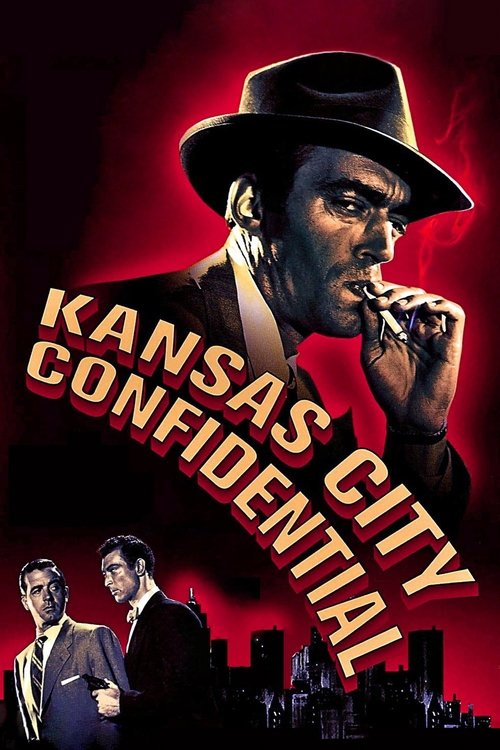
1952
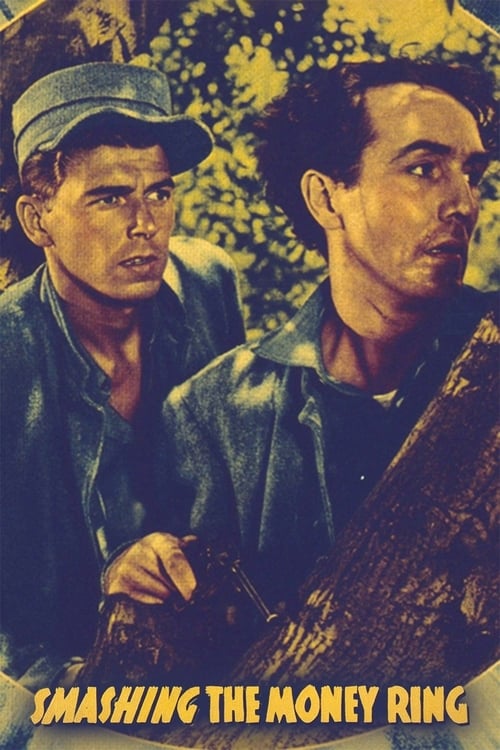
1939
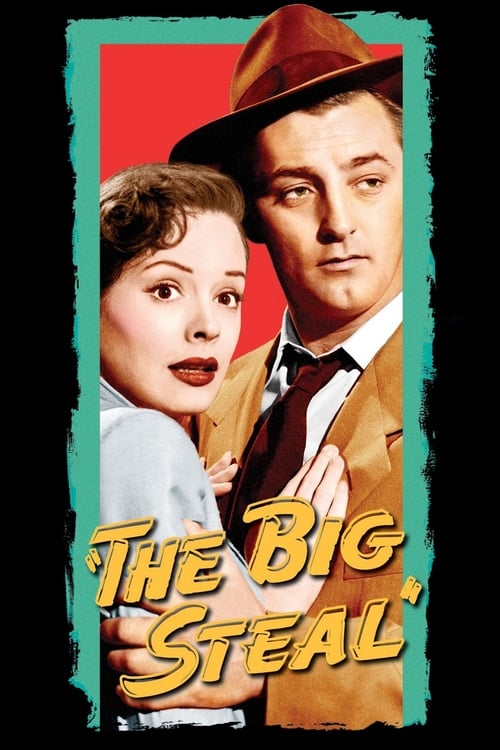
1949
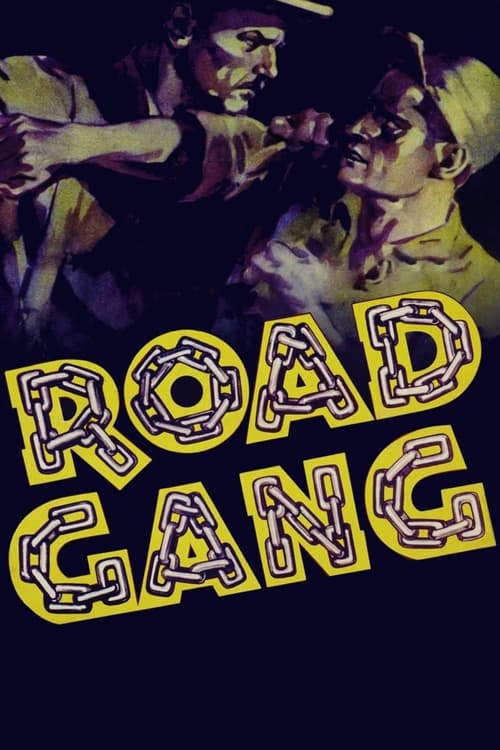
1936
1956
No reviews yet. Be the first to share your thoughts on this movie!
Use the rating form above to leave a star rating and optional review.