Summer Days with Coo
2007
No user ratings available yet
Diversity score: 3.7 out of 10
1984
Director
Noriaki Yuasa
Runtime
48 minutes
Average Rating
No ratings yetSynopsis
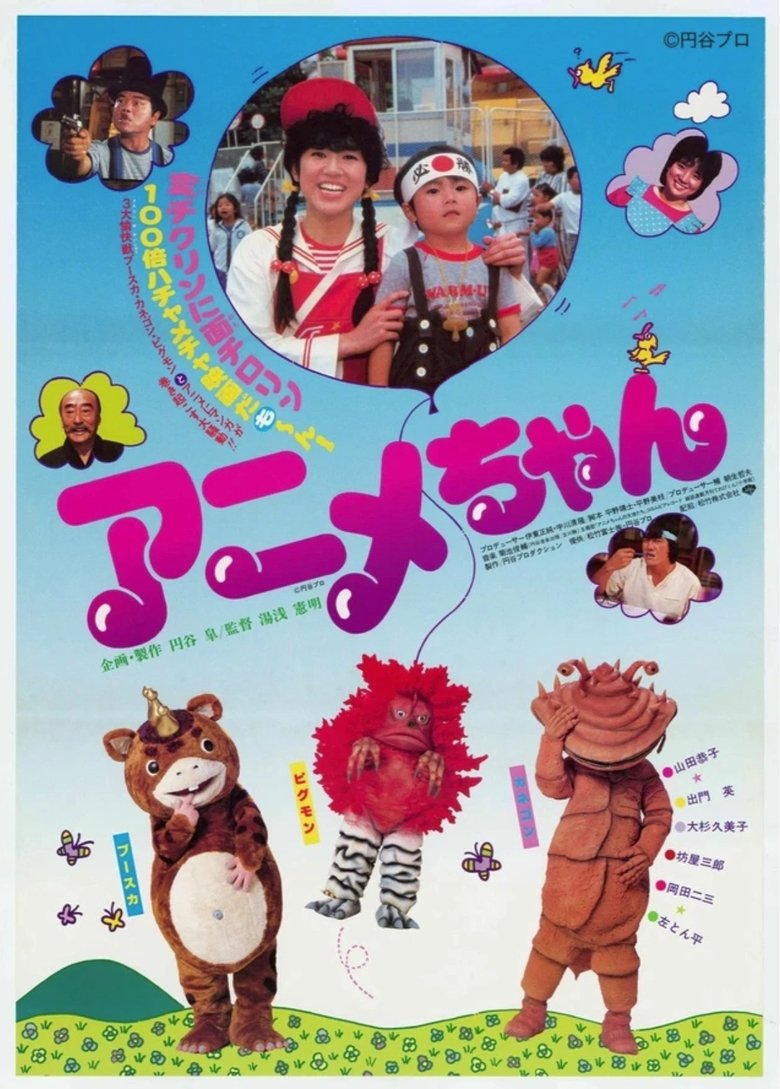
From a child's drawing, three kaiju are brought to life through cosmic rays. Kanegon, Pigmon and Booska become charming houseguests with Anime-chan, learning to adapt to everyday life in Japan.
Overall Score
Limited
Category Breakdown
LGBTQ+ Representation
The film lacks any depiction of non-heteronormative identities or same-sex intimacy. The narrative focus remains strictly on the coexistence of humans and kaiju.
Gender Representation
While the title suggests a female-centric perspective through Anime-chan, the film follows a traditional domestic structure. There is no evidence of subverting gender hierarchies.
Racial & Ethnic Diversity
Set within a Japanese context, the film operates within its cultural baseline. Otherness is expressed through fantastical species rather than racial or ethnic intersectionality.
Religious & Cultural Diversity
The story emphasizes Japanese everyday life and social cohesion. It focuses on the integration of outsiders into an existing social order and community.
Disability Representation
There are no identified characters or plot points regarding neurodivergence or physical disabilities in this work.
Strengths
Areas for Improvement
AI Analysis
Anime-chan is a domestic fantasy-comedy that prioritizes escapism and comedic friction over social commentary. The plot centers on the integration of three kaiju—Kanegon, Pigmon, and Booska—into a standard Japanese household. The film functions as a traditional genre piece. It explores the tension between cosmic existence and mundane life rather than deconstructing systemic power dynamics or exploring intersectional identities. Ultimately, the work serves as a lighthearted exploration of community and adaptation within a familiar cultural setting.
2007

2014
1992

2012

2024
2024
1968

1969

1980
No reviews yet. Be the first to share your thoughts on this movie!
Use the rating form above to leave a star rating and optional review.