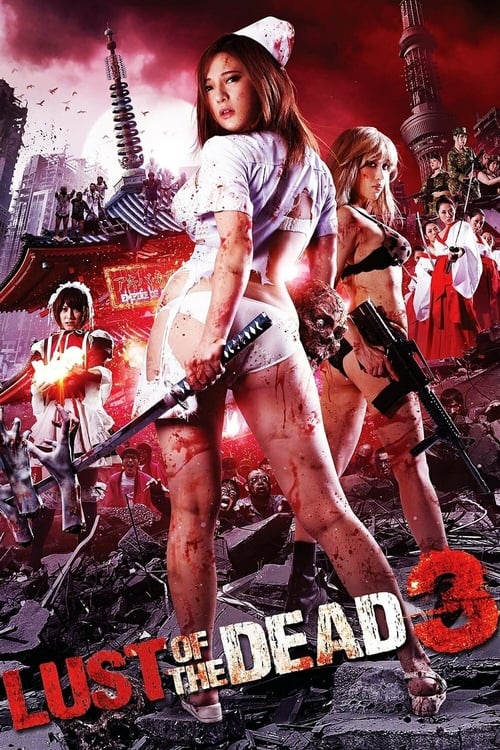
Rape Zombie: Lust of the Dead 3
2013
No user ratings available yet
Representation score: 3.8 out of 10

Representation Score
Minimal
2013
Not RatedDirector
Naoyuki Tomomatsu
Runtime
67 minutes
Average Rating
No ratings yetNew Showbiz Analysis
Rape Zombie: Lust of the Dead 2 operates strictly within the confines of extreme exploitation horror. The film prioritizes visceral shock and transgressive biological taboos over meaningful social commentary. The narrative structure is fundamentally regressive, particularly regarding gender. By framing the central conflict as a predatory pursuit of women, the film reinforces traditional vulnerabilities rather than challenging them. Ultimately, the work lacks the intentionality required for progressive representation. It remains a localized, genre-driven piece that avoids diverse representation in favor of established horror clichés.
Category Breakdown
The film centers on a biological crisis caused by aggressive behavior. It focuses on a struggle between male and female survivors, without any representation of non-traditional gender identities.
The movie establishes a predatory hierarchy where men and zombies target women. Women fight to survive, but the power dynamic relies on familiar predator-versus-prey clichés.
Set in Akihabara, the film features a predominantly Japanese cast. It functions as a localized genre piece without intentional efforts toward diverse ethnic identities.
The story focuses on primal instincts and biological survival rather than cultural critique. It avoids engaging with institutions like religion or capitalism, favoring standard horror elements.
There is no evidence of characters with physical or neurodivergent disabilities portrayed with ability to act. The zombie transformation serves as a biological plot device rather than a nuanced exploration.
Present on Screen
Limited or Absent
Official Synopsis
A strange virus turns 90% of the world population into Lust eating Zombies. However, in Akihabara, Japan, some males were found to be uninfected. These men team up with the Zombies to go after the flesh and blood of surviving young women to fill their lust. The women survivors must fight to survive in an apocalyptic Japan.
2013
2011

2001

2022
2017

2012

2011

2008
No reviews yet. Be the first to share your thoughts on this movie!
Use the rating form above to leave a star rating and optional review.