
I Am Sam
2001
No user ratings available yet
Representation score: 5.7 out of 10
Representation Score
Fair
1991
PGDirector
Jodie Foster
Runtime
99 minutes
Average Rating
No ratings yetNew Showbiz Analysis
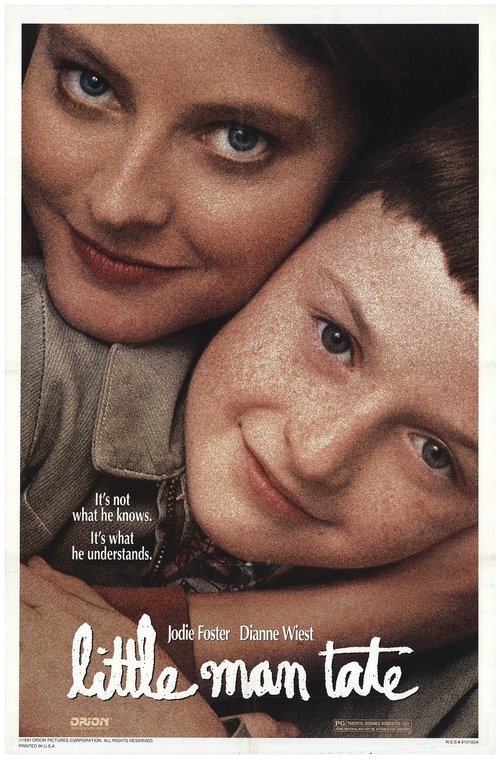
Little Man Tate excels as a nuanced character study that emphasizes emotional intelligence and unique developmental paths. By focusing on a neurodivergent child and a strong, independent single mother, the film challenges traditional family dynamics and standard social expectations. However, the narrative lacks significant diversity. The film misses opportunities to incorporate diverse racial identities or LGBTQ+ perspectives into its framework. Ultimately, the film's strength lies in its psychological depth, validating a non-traditional cognitive experience by avoiding typical developmental milestones.
Category Breakdown
The film does not include LGBTQ+ characters or explore non-straight relationships. The story focuses on the maternal bond and the neurodivergent experience.
The story centers on a female-led domestic unit, disrupting traditional gender roles. A single mother handles socioeconomic and emotional challenges independently, giving her significant influence.
The cast is predominantly white, focusing on a specific socioeconomic group in New York City. It lacks diverse racial identities as central narrative elements.
The film examines the tension between an individual and societal institutions. It questions traditional childhood milestones and parenting methods.
The film provides a nuanced portrayal of neurodivergence. It presents giftedness as a complex, isolating condition rather than a simple plot device, giving the protagonist significant control.
Present on Screen
Limited or Absent
Official Synopsis
Dede is a sole parent trying to bring up her son Fred. When it is discovered that Fred is a genius, she is determined to ensure that Fred has all the opportunities that he needs, and that he is not taken advantage of by people who forget that his extremely powerful intellect is harboured in the body and emotions of a child.
2001

1986

2017
1962

2017

1998

2016

2015
No reviews yet. Be the first to share your thoughts on this movie!
Use the rating form above to leave a star rating and optional review.