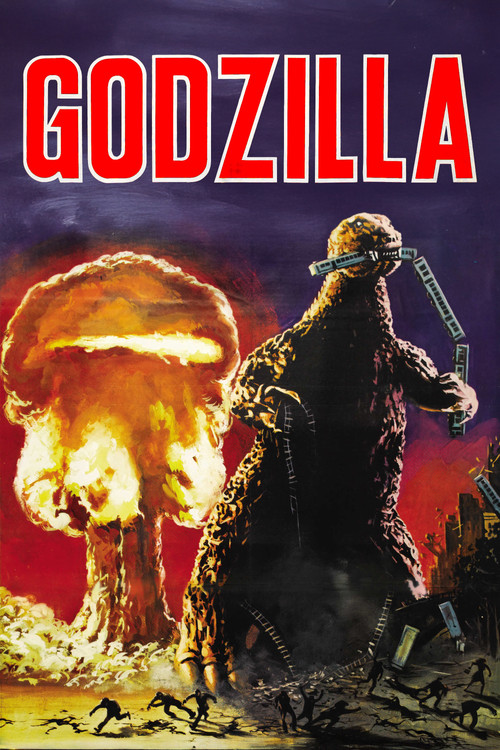
Godzilla
1977
No user ratings available yet
Representation score: 1.1 out of 10
Representation Score
Fair
1957
Director
Ishirō Honda, Terry O. Morse
Runtime
92 minutes
Average Rating
No ratings yetNew Showbiz Analysis
This French-market re-edit of the 1957 classic retains the original's focus on post-war anxieties. While it lacks modern identity-based representation, it remains a powerful critique of unchecked technological expansion and the global arms race. The film's primary strength lies in its sophisticated narrative about institutional power. It uses the monster as a metaphor for the catastrophic consequences of unchecked scientific advancement. However, the work adheres to rigid mid-century hierarchies. It offers limited space for diverse lived experiences, especially concerning gender roles and disability, focusing instead on traditional professional roles.
Category Breakdown
The film does not include any clear representation of LGBTQ+ identities or non-cisgender characters. The character interactions follow traditional mid-century social norms.
Male characters dominate the scientific and military aspects of the story. Female characters, like Emiko Yamane, mainly provide emotional support rather than driving the main plot.
The cast is mostly Japanese, reflecting the film's original cultural context. It avoids Western whitewashing but does not actively seek out diverse casting.
The film critiques global power structures and nuclear proliferation. It portrays atomic power as a source of instability and potential disaster.
There is no meaningful depiction of neurodivergence or physical disabilities. Characters are defined by their roles as scientists, soldiers, or victims, without addressing their disabilities.
Present on Screen
Limited or Absent
Official Synopsis
Obscure French version of the original Godzilla. The film combines elements of the original Toho version and the American King of the Monsters! in a unique assemblage exclusive to the Francophone market. Released by Les Films du Verseau.
1977
1956
1955
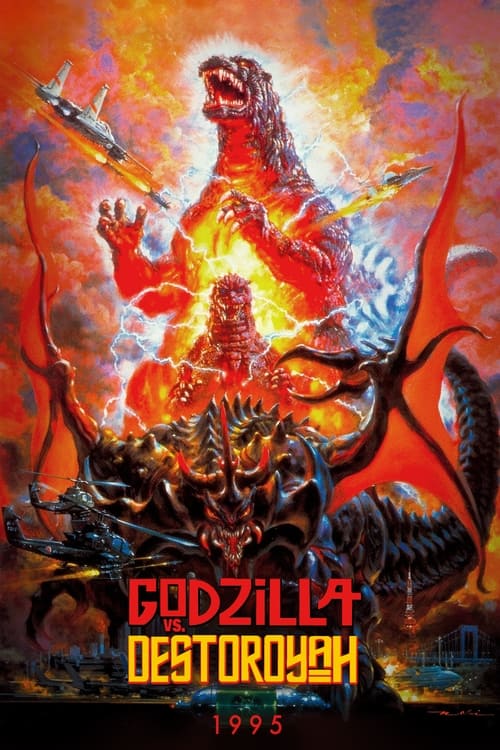
1995
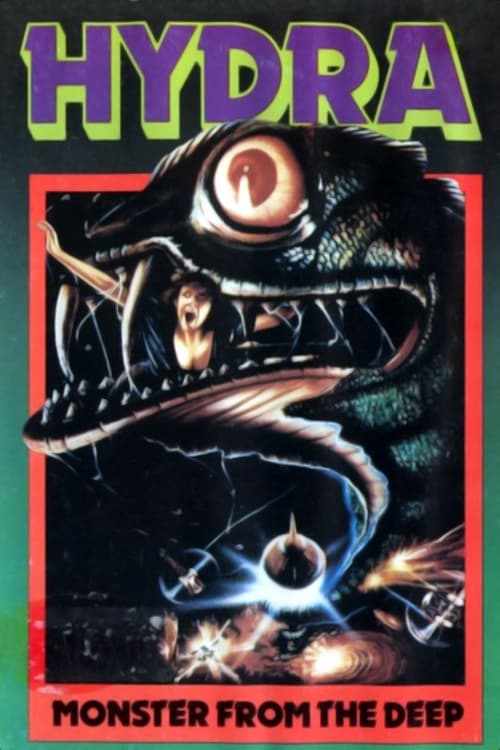
1985
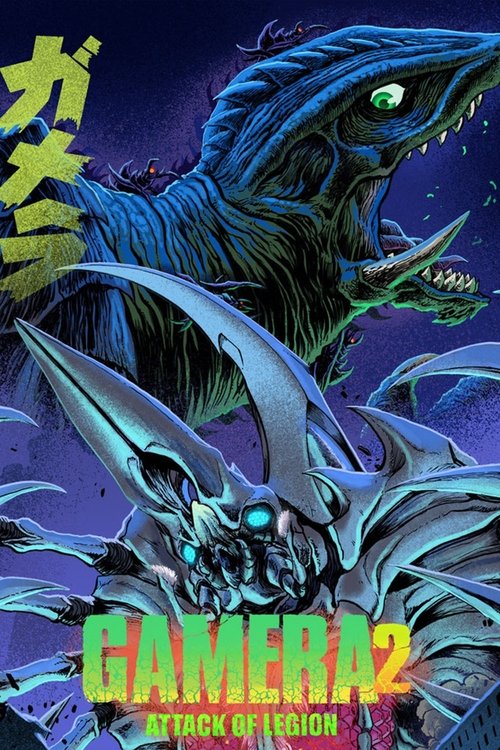
1996
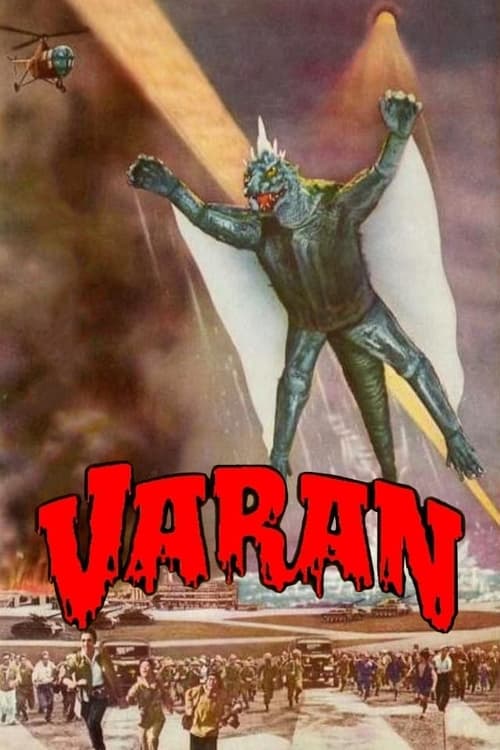
1958
1967
No reviews yet. Be the first to share your thoughts on this movie!
Use the rating form above to leave a star rating and optional review.