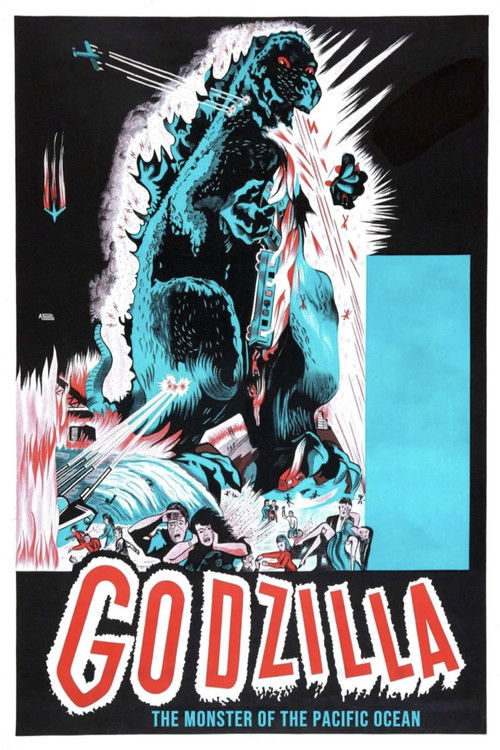
Godzilla, the Monster of the Pacific Ocean
1957
No user ratings available yet
Representation score: 4.1 out of 10
Representation Score
Minimal
1977
TV-MADirector
Luigi Cozzi, Ishirō Honda, Terry O. Morse
Runtime
96 minutes
Average Rating
No ratings yetNew Showbiz Analysis
This 1977 re-edit functions more as a cinematic collage than a cohesive narrative. Since it relies on older footage and newsreels, it is inherently tied to the social structures and traditional archetypes of the 1950s. The film prioritizes spectacle and historical montage over contemporary social issues. It reinforces a traditional view of humanity's struggle against nature rather than disrupting conventional expectations of identity. Ultimately, the work serves as a historical artifact of mid-century concerns. It lacks the intentionality needed to meet modern standards of inclusive representation.
Category Breakdown
The film does not include any clear depictions of LGBTQ+ identities or stories. The focus is on military actions and disaster scenes, leaving no space for queer themes.
The story relies on traditional mid-century stereotypes, emphasizing masculine military and scientific roles. Female characters often play supporting roles without much influence.
The cast is fairly uniform, reflecting the era of the original footage. While WWII newsreels offer a global perspective, the focus remains on Western and Japanese viewpoints.
The film serves as a cautionary tale about science and warfare. It uses newsreels to criticize mid-century nationalism and the harmful effects of technology.
There is no visible or meaningful representation of physical or neurodivergent disabilities. Characters are defined by their professional roles, such as soldiers or scientists, rather than personal characteristics.
Present on Screen
Limited or Absent
Official Synopsis
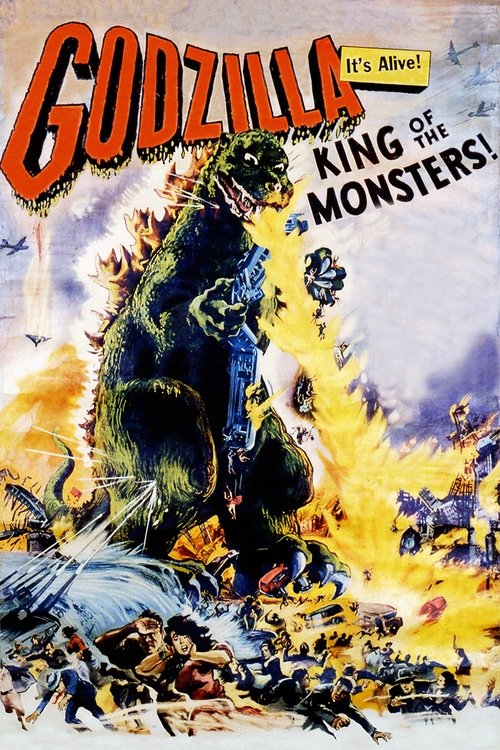
A re-edited Italian-language dubbed version of the original Godzilla, using as a basis the U.S. version, "Godzilla, King of the Monsters!" (1956), plus WWII newsreel footage and clips from other science fiction films. The re-edited film was then colorized via a process called "Spectrorama 70" consisting of applying various colored gels to the black and white footage. The film's opening and ending also features new music composed by musicians Fabio Frizzi, Franco Bixio, and Vince Tempera (under the pseudonym Magnetic System).
1957
1995
1955
1956
2018
1996
1959

1958
No reviews yet. Be the first to share your thoughts on this movie!
Use the rating form above to leave a star rating and optional review.