
Lust
2011
No user ratings available yet
Representation score: 5.9 out of 10
Representation Score
Fair
2010
Director
Magdy Ahmed Aly
Runtime
120 minutes
Average Rating
No ratings yetNew Showbiz Analysis
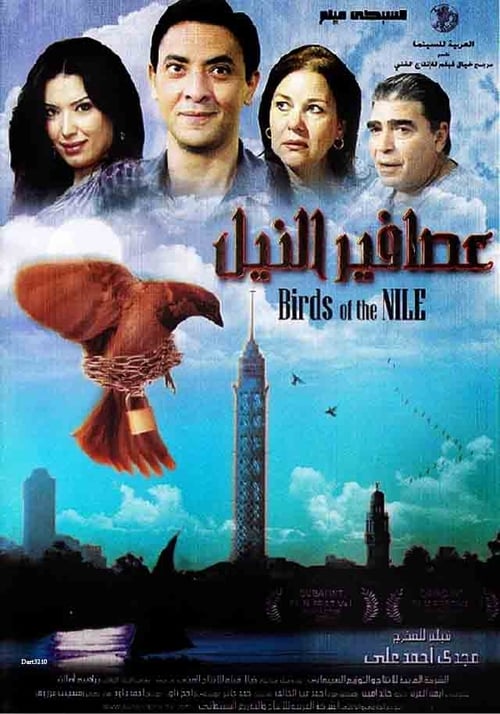
Birds of the Nile presents a grounded exploration of social realism, highlighting the tension between rural traditions and urban instability. The film uses the protagonist's journey of self-discovery to delve into socioeconomic displacement and the human condition. While it offers a localized, non-Western viewpoint that challenges mainstream cinema, it remains focused on the male experience and straight-centered relationships. The film excels in portraying the struggles of the disenfranchised and the existential weight of illness, though it lacks broader representation of LGBTQ+ or neurodivergent perspectives.
Category Breakdown
The film does not include any characters with LGBTQ+ identities or explore queer experiences. The story focuses on a male protagonist and his interactions with women.
Female characters such as Narjes and a fellow cancer patient play important roles in the protagonist's emotional growth. Despite being male-centric, women have significant influence on his development.
Set in Egypt, the film centers on a non-Western perspective. It highlights the struggles of the local working class and the challenges of moving from rural to urban environments.
The film focuses on social realism rather than idealized traditions. It examines existential questions within a poor neighborhood, avoiding typical moralistic or commercial clichés.
Cancer serves as a key narrative element. The protagonist's bond with another person facing the same illness emphasizes shared physical vulnerability and chronic illness.
Present on Screen
Limited or Absent
Official Synopsis
A young man leaves his rural origins in search of self-actualization. He moves into a poor neighborhood where he resides with his sister Narjes and gets involved with many women until he discovers he has cancer and encounters another girl with the same pernicious illness.
2011

2015
2010

2017

2018

2013

2018

2010
No reviews yet. Be the first to share your thoughts on this movie!
Use the rating form above to leave a star rating and optional review.