
Classic Albums: Rush - 2112 & Moving Pictures
2010
No user ratings available yet
Representation score: 0.8 out of 10
Representation Score
Limited
1982
Director
Martin Kahan
Runtime
60 minutes
Average Rating
No ratings yetNew Showbiz Analysis
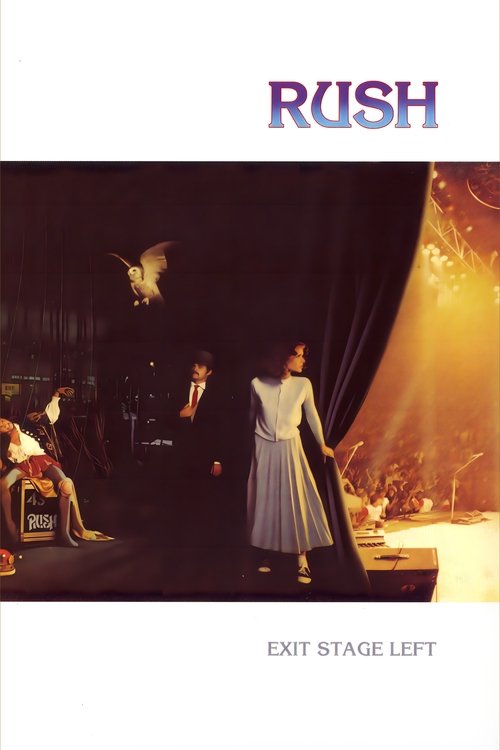
Rush: Exit... Stage Left is a technical documentation of a 1981 world tour rather than a narrative film. Since the focus is entirely on the musical performance of a three-man rock band, it lacks the character-driven arcs necessary for characters who reflect more than one aspect of diversity. Operating within the traditional constraints of the concert documentary genre, the film prioritizes the technical execution of the music and the visual highlights of the band's stage show over social or identity-based storytelling. As a result, the film lacks diversity in gender, race, and LGBTQ+ representation. It serves primarily as a historical record of a specific musical era rather than a vehicle for exploring diverse human experiences.
Category Breakdown
The film lacks LGBTQ+ characters or narratives. Given its nature as a concert documentary, it doesn't have the narrative structure needed to explore LGBTQ+ themes.
The narrative focus is on the male-dominated trio of Rush. There are no significant opportunities to depict women's ability to drive the story or challenge traditional gender roles.
The visual focus is solely on the performers. Although the Montreal audience likely includes diverse demographics, there is no indication of intentional racial representation.
The film operates as a typical commercial musical release. It does not engage with systemic critiques or deconstruct Western cultural norms.
There is no evidence of performers with visible or invisible disabilities. The focus remains on the physical dexterity and musical proficiency of the band.
Present on Screen
Limited or Absent
Official Synopsis
Exit...Stage Left was filmed in Montreal Canada during Rush's 1981 World Tour that encompassed Canada, the United States and Europe and reached a total audience in excess of one million people. The footage incorporated the output of five separate 16mm cameras, both hand-held and stationary, which operated in front of the stage behind a barricade, and in various strategic onstage locations. During the performance at the Montreal forum, the audio was recorded by Le Mobile, with Terry Brown and Guy Charbonneau at the controls. The audio was then digitally mixed at Le Studio in Morin Heights, Quebec, where Moving Pictures, Permanent Waves, and Signals were recorded and mixed. The result, the Exit...Stage Left movie (a different performance than that found on the live Exit...Stage Left album), represents one hour of highlights from Rush's two hour stage show, visualizing material from their albums Moving Pictures, Permanent Waves, Hemispheres, and A Farewell to Kings.
2010
1985
2009
2001
1998

1981
2012
2005
No reviews yet. Be the first to share your thoughts on this movie!
Use the rating form above to leave a star rating and optional review.