Opeth: In Live Concert At The Royal Albert Hall
2010
No user ratings available yet
Representation score: 0.8 out of 10
Representation Score
Limited
2001
NRDirector
Wayne Isham, Adam Dubin, Michael Drumm
Runtime
98 minutes
Average Rating
No ratings yetNew Showbiz Analysis
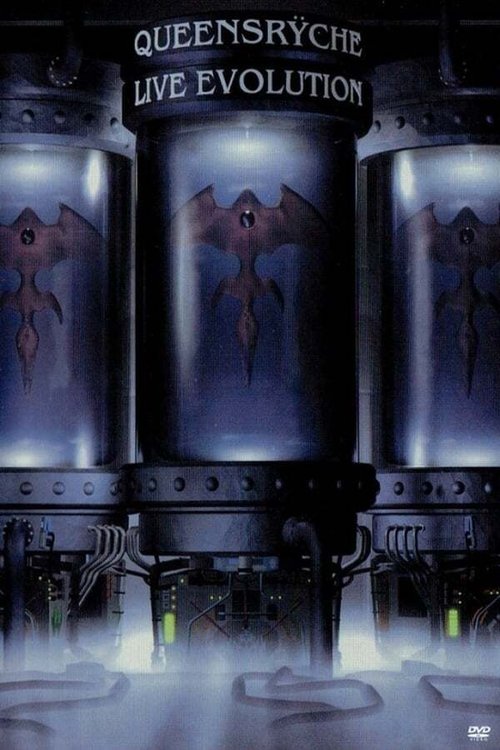
Queensrÿche: Live Evolution serves as a document of the progressive metal scene during the early 2000s. It focuses on capturing a technical musical performance rather than exploring identity politics. The film adheres to the social and industry norms of the time, resulting in a largely homogeneous and traditional demographic composition. Ultimately, the work prioritizes artistic expression and technical skill over the representation of diverse social identities or the subversion of genre-specific hierarchies.
Category Breakdown
The film does not include any characters or narratives related to LGBTQ+ identities. The focus remains on the music performed by the ensemble.
The performance is dominated by male musicians, reflecting traditional gender hierarchies within the metal genre. There is no significant female presence or subversion of masculine leadership roles.
The musicians are predominantly white and uniform in appearance. The film does not feature a diverse cast to broaden its scope.
The film celebrates a specific musical tradition rather than critiquing Western institutions. While lyrics touch on systemic corruption, the work does not prioritize secular or anti-capitalist themes.
There is no visible representation of neurodivergence or physical disabilities among the performers. The focus remains strictly on the professional execution of the musical set.
Present on Screen
Limited or Absent
Official Synopsis
Live Evolution is the title of a 2001 live album and a DVD released by Queensrÿche. It was recorded over two nights (July 27–28, 2001) at the Moore Theatre in Seattle, Washington. On the CD the tracks were collected in suites, which represent different moments of the band production and include a large section of the concept album Operation: Mindcrime. The DVD contains footage shot at the same concerts and features less songs listed in the order they were played during the shows.
2010
2012
2009
2002
2010
2002
2013

2008
No reviews yet. Be the first to share your thoughts on this movie!
Use the rating form above to leave a star rating and optional review.