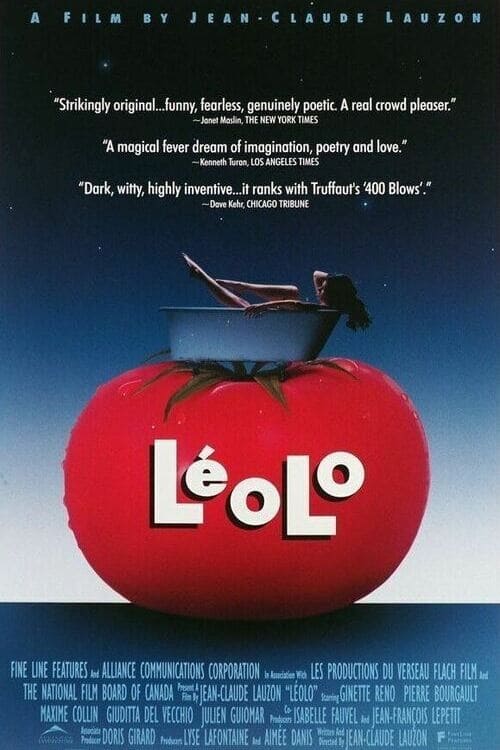
Léolo
1992
No user ratings available yet
Representation score: 9.1 out of 10
Representation Score
Fair
1979
Director
Marie-Louise Ekman
Runtime
82 minutes
Average Rating
No ratings yetNew Showbiz Analysis
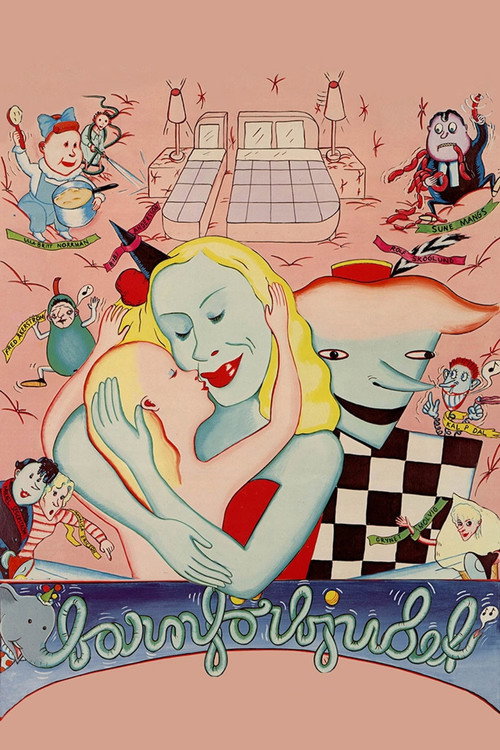
The Elephant Walk serves as a surrealist critique of the nuclear family, using a child's fantasy to highlight parental instability. Its strength lies in disrupting traditional domestic archetypes and embracing non-traditional emotional truths. However, the film lacks racial and LGBTQ+ diversity. It focuses heavily on a localized, homogeneous Swedish setting, limiting broader social diversity. Ultimately, the work prioritizes avant-garde social commentary over inclusive casting, emphasizing psychological landscapes over a diverse ensemble.
Category Breakdown
The film hints at non-conformity through its surreal framework, suggesting a departure from the assumption that everyone is straight or cisgender. Specific queer identities are not confirmed, but the non-conformity is implied.
The movie deconstructs traditional gender roles by focusing on domestic conflict, avoiding the stable authority of a typical male figure in favor of a dysfunctional portrayal.
As a localized 1979 Swedish production, the film features a homogeneous social environment with no apparent effort to include racial diversity or a non-Anglo-Saxon majority cast.
The film questions the sanctity of the Western nuclear family by presenting it as unstable. It emphasizes a child's subjective, dream-like experience over objective reality.
There is no information available regarding the presence of characters with visible or invisible disabilities.
Present on Screen
Limited or Absent
Official Synopsis
A young girl dreams of a birthday party, where family and friends from her day-care center are invited. But in fact, her parents are always quarreling.
1992

1951

1993

2007
1967

2011

1994
2005
No reviews yet. Be the first to share your thoughts on this movie!
Use the rating form above to leave a star rating and optional review.