8/64: Ana - Action Brus
1964
No user ratings available yet
Representation score: 4.0 out of 10
Representation Score
Limited
1964
Director
Kurt Kren
Runtime
3 minutes
Average Rating
No ratings yetNew Showbiz Analysis
Kurt Kren’s work functions as a formalist disruption of traditional cinematic structures. By using convulsive montage and rhythmic contrasts, the film moves away from standard narrative structures that typically reinforce social norms. The film's strength lies in its ability to dismantle the romanticized gaze often found in classical mythology. It replaces traditional beauty with a deconstruction of the erotic, offering a more complex, albeit abstract, viewing experience. However, the film's experimental nature limits its capacity for explicit social representation. Because it favors structural abstraction over character development, it lacks the specific identity-driven details found in narrative cinema.
Category Breakdown
The film explores erotic sensitivity through rhythmic contrasts. However, it doesn't explicitly depict LGBTQ+ identities or give characters much control over their actions.
By focusing on the destruction of eroticism, the film challenges the traditional male gaze associated with the Leda myth. It disrupts the usual portrayal of women as passive and beautiful.
The film prioritizes abstract forms over character-driven stories. Therefore, there is no information about the racial or ethnic makeup of the cast.
The work challenges Western mythological traditions through a fragmented, postmodern interpretation. It promotes aesthetic relativism by breaking down classical themes instead of presenting them as stable.
There is no evidence of characters with visible or invisible disabilities. The film focuses on structural experimentation rather than individual character representation.
Present on Screen
Limited or Absent
Official Synopsis
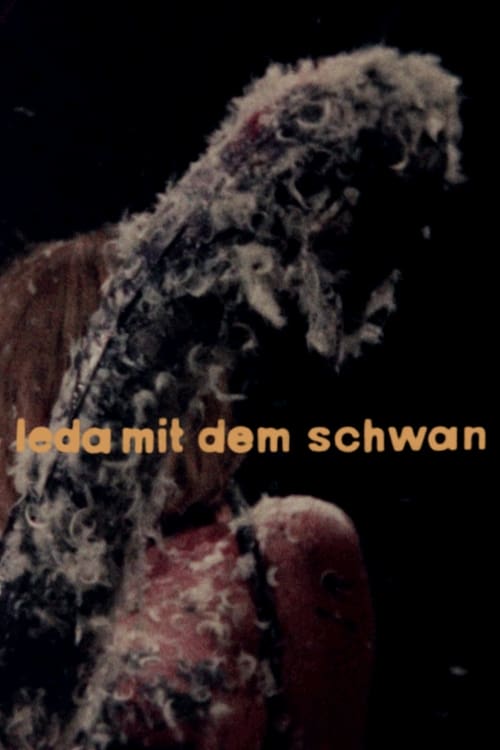
Based on a Muehl Happening. The almost convulsive use of juxtaposition reappears here, but the captured gesture assumes a more erotic sensitivity, though the "action" itself was primarily a gradual destruction of the erotic.
1964
1971
1964
1971
1964
1964
1967
1966
No reviews yet. Be the first to share your thoughts on this movie!
Use the rating form above to leave a star rating and optional review.