
Don't Hug Me I'm Scared 4
2015
No user ratings available yet
Representation score: 8.4 out of 10
Representation Score
Excellent
2014
TV-14Director
Becky Sloan, Joseph Pelling
Runtime
7 minutes
Average Rating
No ratings yetNew Showbiz Analysis
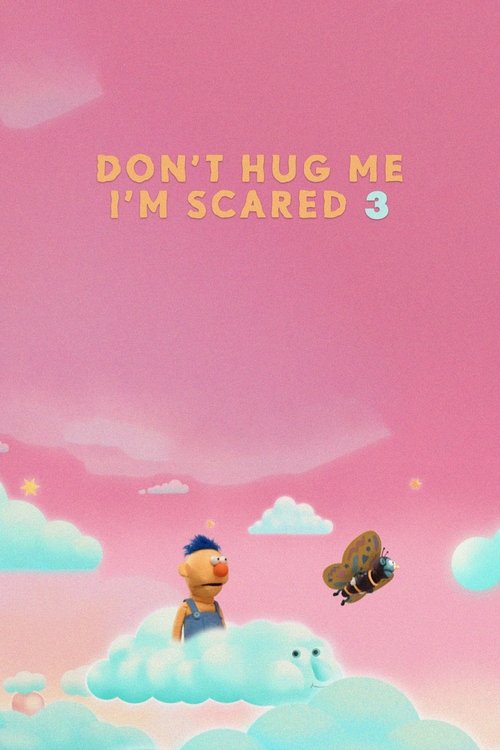
Don't Hug Me I'm Scared 3 serves as a postmodern deconstruction of genre rather than a study in demographic inclusion. Its progressive value lies in the dismantling of institutional authority and structured morality. The series employs surrealism to challenge the stability of educational narratives. By replacing human archetypes with psychological profiles, it avoids traditional social hierarchies but remains neutral regarding specific identity representation. Ultimately, the work favors a skeptical worldview. It views established systems of knowledge as unreliable, prioritizing subjective truth over traditional social or cultural norms.
Category Breakdown
The puppet-based framework avoids traditional heterosexual norms. Though characters don't have explicit queer identities or same-sex relationships, the absence of typical gender roles prevents reinforcing standard romantic expectations.
Non-human protagonists help break down traditional gender roles. By focusing on psychological profiles instead of archetypes, the narrative avoids reinforcing typical masculine or feminine roles.
The anthropomorphic characters make traditional racial categorizations irrelevant. This approach avoids stereotypes but doesn't include diverse human identities proactively.
The work questions traditional institutions, showing educational and media systems as deceptive or harmful. It emphasizes moral relativism and challenges the reliability of Western institutional knowledge.
Themes of psychological distress and sensory overload are used as metaphors for trauma. These elements serve as surreal representations rather than detailed portrayals of lived neurodivergence or disability.
Present on Screen
Limited or Absent
Official Synopsis
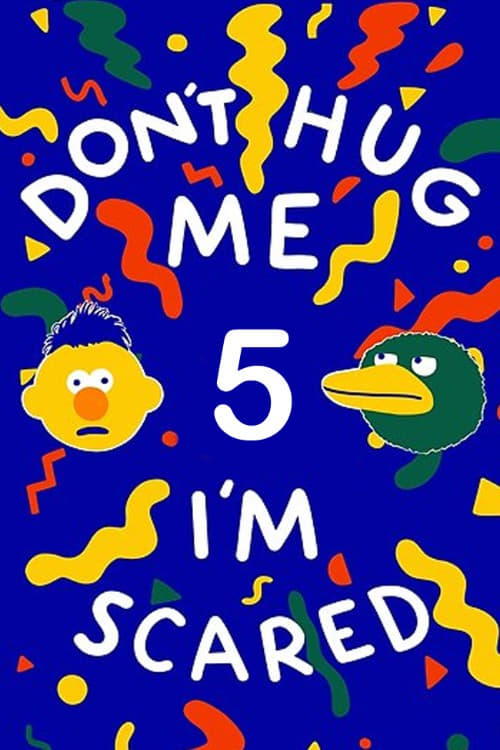
During a chicken picnic, Yellow Guy gets upset after Green Bird kills a butterfly. Yellow Guy then meets a butterfly that takes him on a journey to discover his concept of love.
2015
2014
2016
2015

2012
No reviews yet. Be the first to share your thoughts on this movie!
Use the rating form above to leave a star rating and optional review.