Source Code
2011
No user ratings available yet
Representation score: 4.1 out of 10
Representation Score
Fair
2009
RDirector
Chris Fisher
Runtime
103 minutes
Average Rating
No ratings yetNew Showbiz Analysis
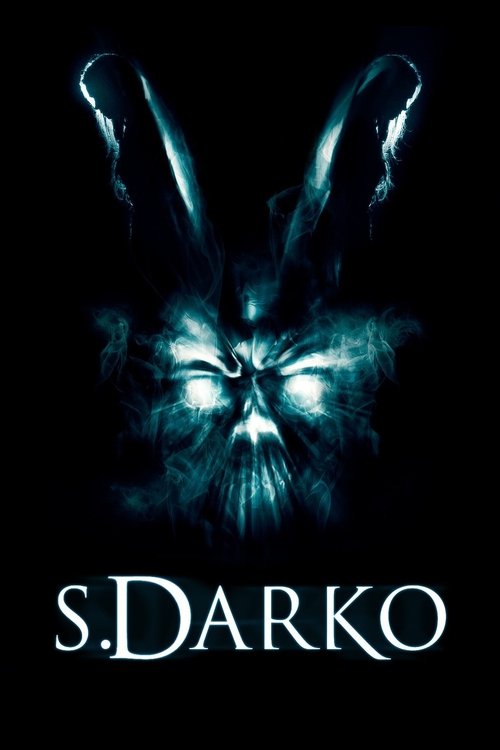
S. Darko is a psychological thriller that prioritizes individual existential dread over broader social dynamics. While the film centers on a female protagonist navigating a collapsing reality, the narrative remains largely confined to a singular, traditional demographic experience. The film employs postmodernist storytelling to disrupt linear expectations, yet it lacks the intentionality to drive progressive representation. It functions primarily within the realm of personal psychological horror rather than systemic social commentary. Ultimately, the work fails to engage with diverse racial, ethnic, or LGBTQ+ perspectives, resulting in a narrow narrative scope that lacks meaningful cultural subversion.
Category Breakdown
The film does not include any visible LGBTQ+ characters or non-straight relationships. The story focuses solely on the protagonist's inner world and her isolated surroundings.
Samantha Darko's journey is centered around her psychological state, shifting focus away from traditional patriarchal structures. However, the film lacks diverse female interpersonal dynamics.
The main cast is predominantly white, with limited representation of diverse racial or ethnic backgrounds. The setting and character types emphasize a homogeneous demographic.
The film uses postmodernist storytelling to challenge objective truths through perceptual relativism. However, it does not offer explicit critiques of Western institutions or organized religion.
The protagonist faces significant mental health issues, including hallucinations. These elements may serve as plot devices rather than nuanced depictions of neurodivergence.
Present on Screen
Limited or Absent
Official Synopsis
Seven years after the events of the first film, Samantha Darko finds herself stranded in a small desert town after her car breaks down where she is plagued by bizarre visions telling of the universe's end. As a result, she must face her own demons, and in doing so, save the world and herself.
2011

2011

2014
2009
2012
1985
2002
2015
No reviews yet. Be the first to share your thoughts on this movie!
Use the rating form above to leave a star rating and optional review.