The Other Side of the Tracks
2008
No user ratings available yet
Representation score: 5.0 out of 10
Representation Score
Fair
2009
Director
Anno Saul
Runtime
103 minutes
Average Rating
No ratings yetNew Showbiz Analysis
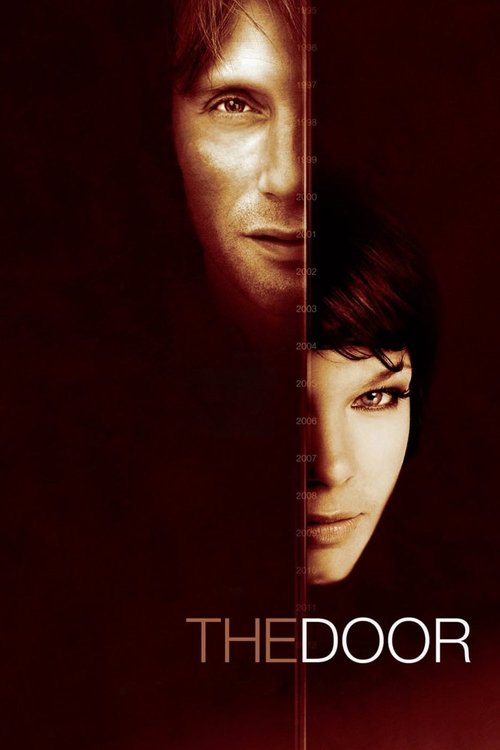
The Door is a sophisticated exploration of post-colonial tension, using a speculative reality to dissect the psychological fractures of South Africa's transition from apartheid. It succeeds by making racial identity a central driver of the plot, disrupting Western-centric storytelling through a nuanced depiction of systemic violence and socioeconomic disparity. While the film excels in cultural and racial depth, it lacks representation for LGBTQ+ identities and provides no evidence of disability representation. Gender dynamics, while avoiding traditional domesticity, are secondary to the film's primary focus on racial and systemic power structures. Ultimately, the film's strength lies in its rejection of traditional moral frameworks, opting instead for a complex analysis of identity and survival within a broken social contract.
Category Breakdown
The film does not include explicit LGBTQ+ characters or non-cisgender identities. The narrative focuses primarily on racial and socioeconomic issues.
Gender is explored through power dynamics and social hierarchies. Characters find significant roles through survival in a volatile, systemic environment.
The film excels by focusing on the interaction between Black and White identities in a post-apartheid setting. It provides a nuanced look at racial blending and socioeconomic disparities.
The story offers a deep post-colonial critique, challenging Western institutions. It frames character actions as responses to historical trauma and systemic failure.
There is no significant evidence regarding the portrayal of visible or invisible disabilities within the narrative.
Present on Screen
Limited or Absent
Official Synopsis
A successful artist loses control of his life after his young daughter's death. A chance for a new start appears, but all is not what it seems.
2008
2005

2016

2019

2018
2005
2011
2009
No reviews yet. Be the first to share your thoughts on this movie!
Use the rating form above to leave a star rating and optional review.