Minority Report
2002
No user ratings available yet
Representation score: 6.6 out of 10
Representation Score
Fair
2011
PG-13Director
Duncan Jones
Runtime
93 minutes
Average Rating
No ratings yetNew Showbiz Analysis
Source Code is a high-concept psychological thriller that prioritizes philosophical questions over social representation. It offers a sophisticated critique of institutional ethics and the sanctity of the individual through its sci-fi premise. However, the film remains rooted in conventional storytelling patterns. The narrative structure relies on traditional casting and assumptions that everyone is straight or cisgender, limiting its breadth of representation. Ultimately, the film's focus on a specific, non-diverse subset of characters and its adherence to standard gender dynamics result in a moderate diversity profile.
Category Breakdown
The film follows a traditional framework that assumes everyone is straight or cisgender. The emotional core revolves around the romantic relationship between Colter Stevens and Christina Warren, with no hints of LGBTQ+ identities.
Christina Warren plays a significant role in driving the story and is not just a passive character. However, the film maintains a typical balance of gender roles without challenging traditional hierarchies.
The narrative centers on a predominantly white protagonist. While the setting suggests a diverse public space, the cast lacks intentional efforts to include various backgrounds.
The story critiques the ethics of institutional power and the commodification of consciousness. It functions as a philosophical inquiry into determinism rather than a broader cultural critique.
The protagonist's medical condition serves as a central sci-fi plot device. This explores bodily autonomy but uses the character's state primarily to drive the mystery rather than portraying lived disability.
Present on Screen
Limited or Absent
Official Synopsis
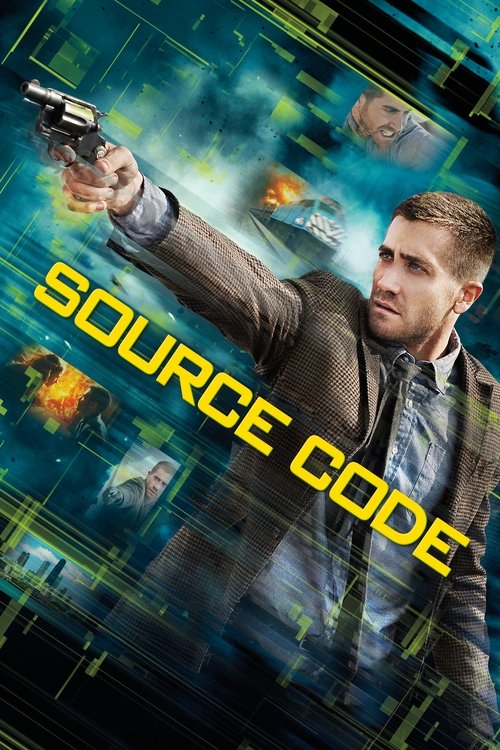
When decorated soldier Captain Colter Stevens wakes up in the body of an unknown man, he discovers he's part of a mission to find the bomber of a Chicago commuter train.
2002

2012
2015

2011

2015

2004

2011

2006
No reviews yet. Be the first to share your thoughts on this movie!
Use the rating form above to leave a star rating and optional review.