
Pyaar Ke Side Effects
2006
No user ratings available yet
Representation score: 2.6 out of 10
Representation Score
Minimal
2001
Director
Priyadarshan
Runtime
159 minutes
Average Rating
No ratings yetNew Showbiz Analysis
Priyadarshan’s comedy operates within a closed social system, emphasizing situational humor over narrative disruption. The film reinforces traditional domestic roles and romantic arcs without challenging them. While the ensemble captures the energy of urban middle-class life, the story lacks intentionality regarding diverse perspectives. Ultimately, it serves as a genre-specific entertainment piece that upholds the status quo of early 2000s mainstream cinema.
Category Breakdown
The film adheres to traditional heterosexual and cisgender norms, with no representation of LGBTQ+ identities or critiques of these norms. It does not challenge standard romantic clichés.
Female characters play a significant role in the comedic conflict during the eviction scene. However, the story ultimately follows a conventional enemies-to-lovers plot within patriarchal frameworks.
The cast is ethnically uniform, representing a specific middle-class demographic. It avoids harmful racial stereotypes while maintaining a consistent cultural setting.
The narrative emphasizes domestic stability and traditional social interactions. It does not critique Western institutions or prioritize secular themes.
There is no representation of physical or neurodivergent disabilities among the main characters or the ensemble cast.
Present on Screen
Limited or Absent
Official Synopsis
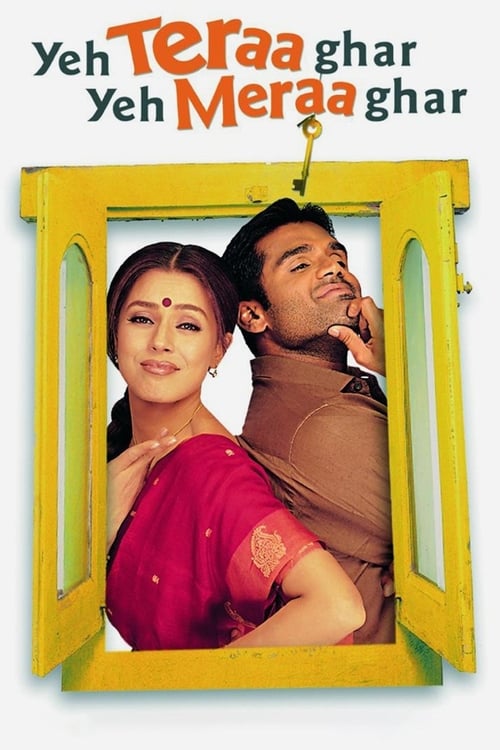
After the death of his dad, Dayashankar Pandey arranges the marriage of his two sisters. In debt, he goes to the city to ask the tenants to leave his house, as he intends to sell it and repay his debts. A woman, her two daughters, Jyoti, Saraswati, and one son, Chotu are living there. When Dayashankar asks them to vacate, they refuse. What results is Dayashankar's hilarious attempts to force them to vacate - from seeking legal advice; filing police reports; asking goons to remove them - moving in himself. Will Dayashankar succeed in his attempts to evict his tenants?
2006

2003

2012
2017

2003
1986

2022
1998
No reviews yet. Be the first to share your thoughts on this movie!
Use the rating form above to leave a star rating and optional review.