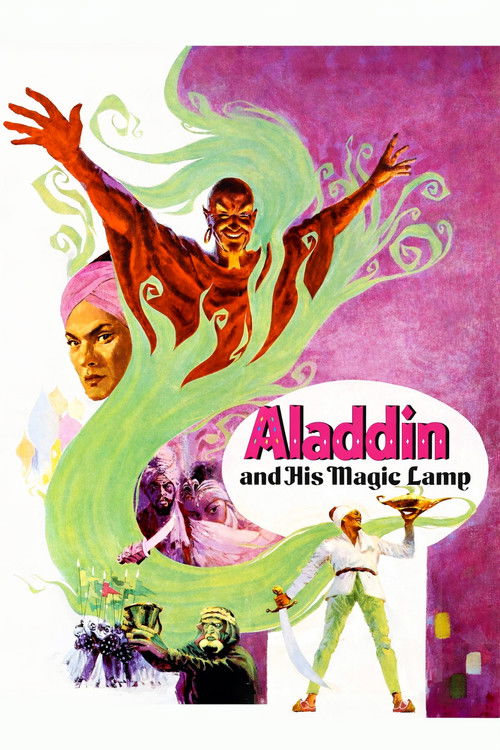
Aladdin and His Magic Lamp
1966
No user ratings available yet
Representation score: 2.9 out of 10
Representation Score
Limited
2012
Not RatedDirector
Mario Azzopardi
Runtime
86 minutes
Average Rating
No ratings yetNew Showbiz Analysis
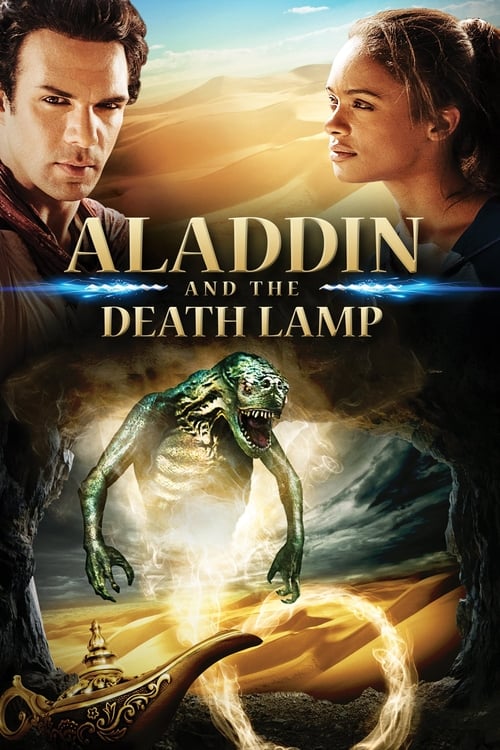
Aladdin and the Death Lamp adheres to conventional genre conventions, emphasizing adventure and horror elements. Its narrative structure revolves around a classic hero-versus-villain setup without delving into complex social identities. Despite the Middle Eastern setting, the storytelling aligns with Western folkloric traditions. The plot emphasizes masculine-driven action and the quest for power over exploring layered social dynamics. Overall, the film fails to provide substantial representation for underrepresented groups, sticking to well-established archetypes that do not challenge traditional power structures.
Category Breakdown
The film does not include explicit LGBTQ+ characters or narratives focusing on non-straight identities. The relationship between Aladdin and Ali is portrayed as a close friendship without romantic undertones.
The story focuses on male characters, both heroes and villains. Women do not have prominent roles with significant influence or challenge traditional gender roles.
Set in a Middle Eastern context, the film follows Western storytelling traditions. It lacks a diverse cast with characters of color who play key roles in the plot.
The narrative presents a straightforward morality tale centered around individual villainy. It does not explore broader societal issues or secular themes within its dark fantasy world.
The film does not mention characters with physical, neurological, or mental health disabilities.
Present on Screen
Limited or Absent
Official Synopsis
Aladdin the adventurer and his friend Ali accidentally uncover a lamp that contains a genie. But unlike the story we know, this genie does not grant three wonderful wishes. This genie destroys everything in its way by turning the keeper’s thoughts into living nightmares. After witnessing the death of his fellow adventurers when the genie is released, Aladdin and surviving friend Ali turn to the village elder to uncover the history of the lamp, only to find the evil Shahir has been following them, hoping to take hold of the lamp and fulfill his own diabolical plans to have unlimited power. destroy their friend along with the ring.
1966
1973
1945
1958
1906

1997
1999
1977
No reviews yet. Be the first to share your thoughts on this movie!
Use the rating form above to leave a star rating and optional review.