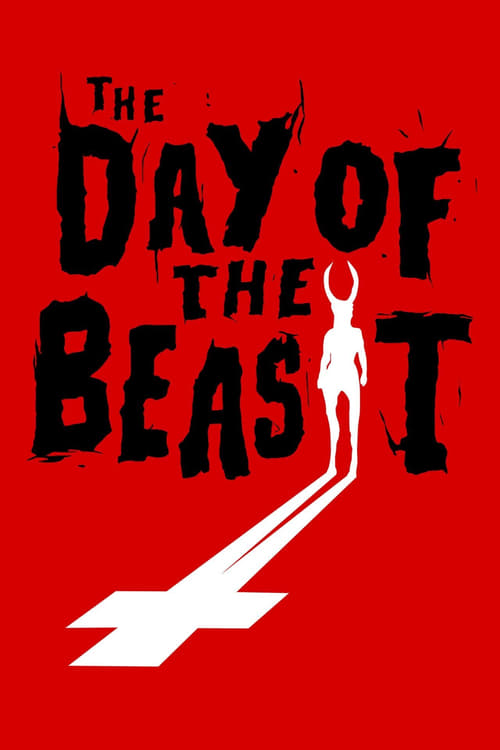
The Day of the Beast
1995
No user ratings available yet
Representation score: 6.0 out of 10
Representation Score
Excellent
2010
RDirector
Álex de la Iglesia
Runtime
106 minutes
Average Rating
No ratings yetNew Showbiz Analysis
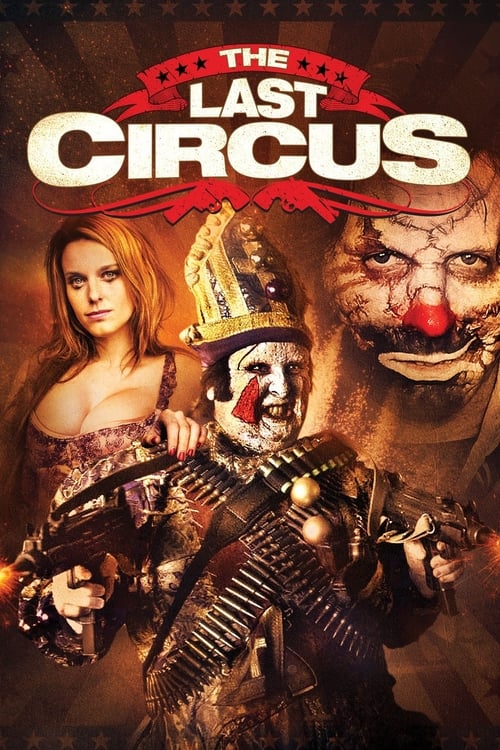
The Last Circus excels at breaking down social hierarchies and institutions. Using a grotesque, surreal style, it challenges traditional Western morals and celebrates outsiders. Its strength lies in flipping traditional gender roles and critiquing systemic oppression. However, the film struggles with nuanced representations of disability and LGBTQ+ identities. The use of caricature and lack of explicit LGBTQ+ stories limit its scores in these areas.
Category Breakdown
The film uses a carnival-like atmosphere to disrupt traditional social norms. Though it doesn't have explicit LGBTQ+ storylines, its unconventional setting allows for diverse identities.
Women in the film reject submissive roles, showing strength and aggression. The movie often flips traditional gender roles and challenges male dominance.
A diverse cast represents various underrepresented groups in a fragmented society. The grotesque visuals challenge the idea of a uniform social order.
The story offers a strong critique of capitalist systems and exploitative authorities. It replaces singular moral codes with a chaotic, situationally based ethics.
Characters show physical and mental differences through exaggerated designs. While they have ability to act, the emphasis on exaggerated traits can risk caricature rather than nuanced experiences.
Present on Screen
Limited or Absent
Official Synopsis
A trapeze artist must decide between her lust for Sergio, the Happy Clown, or her affection for Javier, the Sad Clown, both of whom are deeply disturbed.
1995
2011
2006
1986
2017
2003
2007
2018
No reviews yet. Be the first to share your thoughts on this movie!
Use the rating form above to leave a star rating and optional review.