
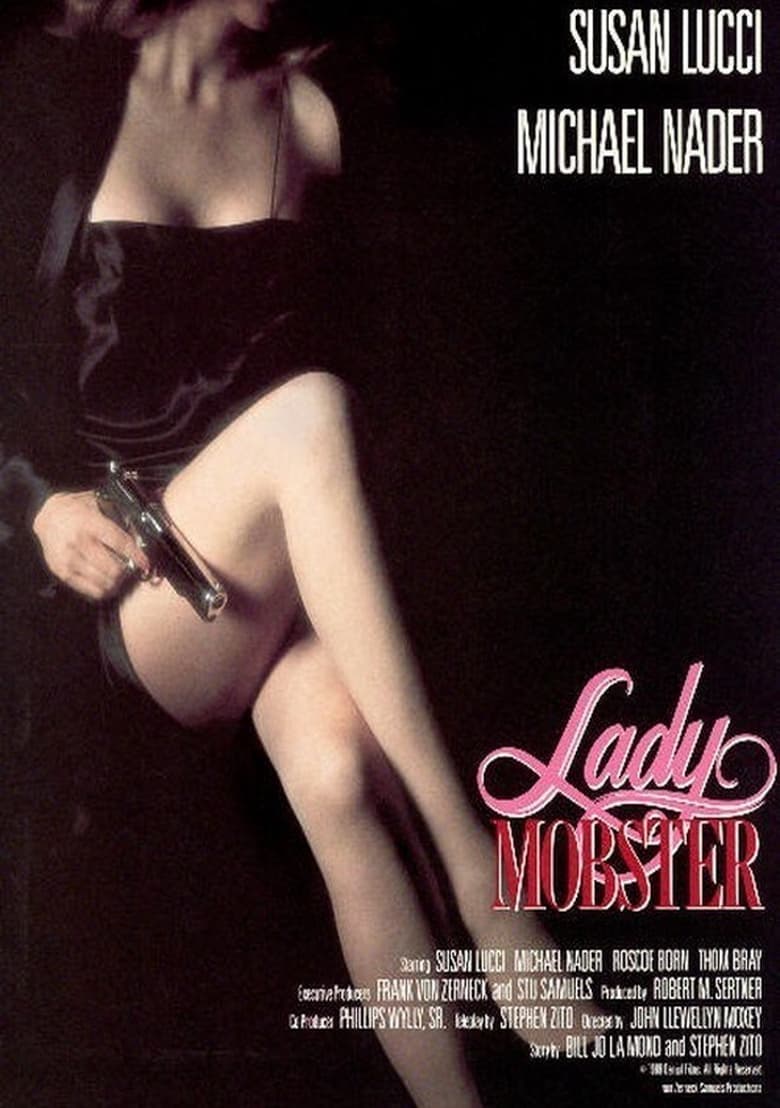
The Last Innocent Man
1987
No user ratings available yet
Diversity score: 3.1 out of 10
1988
Director
John Llewellyn Moxey
Runtime
80 minutes
Average Rating
No ratings yetSynopsis
Television account of a young woman who becomes her mobster godfather's staunchest defender.
Overall Score
Fair
Category Breakdown
LGBTQ+ Representation
The film lacks explicit evidence of LGBTQ+ characters or non-heteronormative identities. The focus on a woman and her godfather suggests a traditional familial structure.
Gender Representation
A female protagonist drives the plot with significant agency as a defender of a powerful figure. However, her role remains tethered to a male-dominated patriarchal hierarchy.
Racial & Ethnic Diversity
The narrative does not confirm a diverse or non-white cast. It likely adheres to standard demographic tropes common in late-1980s crime television.
Religious & Cultural Diversity
The story explores loyalty and situational ethics within organized crime. It lacks explicit evidence of broader institutional or anti-Western critiques.
Disability Representation
There is no information regarding the depiction of physical, sensory, or neurodivergent characters in this work.
Strengths
Areas for Improvement
AI Analysis
Lady Mobster operates primarily within the established conventions of 1980s crime drama. While the female lead provides a degree of agency that disrupts submissive tropes, the film lacks intersectional complexity. The narrative structure relies on traditional social frameworks, centering on a surrogate-parental relationship between a woman and her godfather. This focus suggests a conventional approach to character dynamics. Without evidence of diverse casting or systemic critique, the film remains a product of its era's standard genre tropes. It prioritizes personal loyalty over progressive social representation.
1987
1988

2016

2007
1990
1997
2008
2004
2003
1995
1999
2010
No reviews yet. Be the first to share your thoughts on this movie!
Use the rating form above to leave a star rating and optional review.