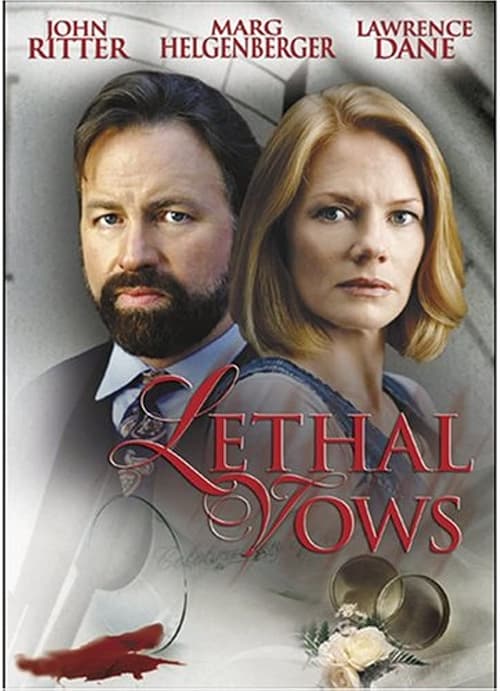
Lethal Vows
1999
No user ratings available yet
Representation score: 0.6 out of 10
Representation Score
Minimal
1995
TV-14Director
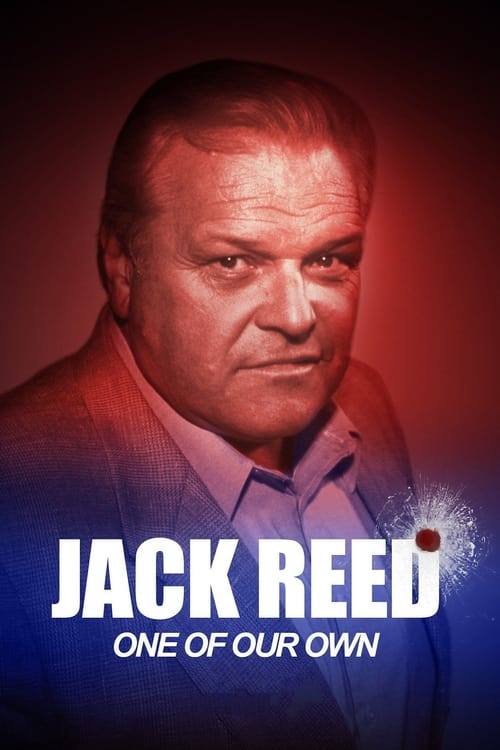
Brian Dennehy
Runtime
95 minutes
Average Rating
No ratings yetNew Showbiz Analysis
Jack Reed: One of Our Own is a mid-90s crime drama that follows a traditional investigative structure. The narrative centers on a male protagonist protecting a guest from assassins, reinforcing conventional storytelling norms. The film lacks diverse representation, particularly in terms of racial, LGBTQ+, and disability-related characters. It presents a narrow demographic scope focused on traditional Western clichés and domestic stability.
Category Breakdown
The film does not include any characters with non-straight or non-cisgender identities. The story revolves around Jack Reed and his wife.
A woman plays a central role in the plot, but she is portrayed primarily as a target, suggesting passivity. The story follows a traditional hierarchy where the male protagonist is the main protector.
There is no indication of a diverse cast beyond Anglo-Saxon actors. The story focuses on a single household without showing any racial or ethnic diversity.
The film adheres to conventional Western storytelling clichés, emphasizing individual heroism and the protection of the nuclear family. It does not delve into systemic critiques or cultural complexities.
The film does not provide any information about characters with visible or invisible disabilities.
Present on Screen
Limited or Absent
Official Synopsis
Jack Reed investigates a young woman whom he and his wife take into their household when she turns out to be targeted by unknown assassins.
1999
2008
1995
2007
1988

2000
2008

2017
No reviews yet. Be the first to share your thoughts on this movie!
Use the rating form above to leave a star rating and optional review.