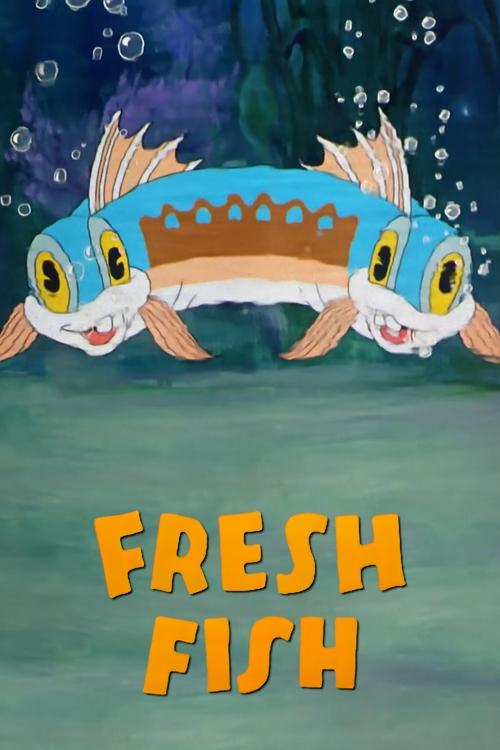
Fresh Fish
1939
No user ratings available yet
Representation score: 0.3 out of 10
No Poster Available
Representation Score
Fair
1943
ApprovedDirector
Dun Roman
Runtime
7 minutes
Average Rating
No ratings yetNew Showbiz Analysis
The Herring Murder Mystery functions primarily as a surrealist animation experiment rather than a vehicle for social representation. Its narrative is driven by a singular male protagonist's psychological breakdown, limiting opportunities for diverse character interactions. While the film subverts institutional norms by turning a courtroom into a fish-led spectacle, this disruption is stylistic rather than political. The reliance on anthropomorphic characters and 1940s radio clichés confines the work within a narrow, era-specific framework. Ultimately, the film lacks the depth or diverse casting necessary to move beyond a baseline score. It prioritizes dreamlike comedy over the exploration of varied identities or social hierarchies.
Category Breakdown
The film does not include any explicit representations of LGBTQ+ characters or non-straight relationships. The story revolves around a single protagonist's psychological breakdown.
The story centers on a male protagonist's internal struggle within a cannery setting. There are no female characters or subversion of traditional gender roles.
The cast consists primarily of anthropomorphic fish in an underwater dreamscape. There is no evidence of a diverse human cast or meaningful racial complexity.
Surrealism provides moderate cultural subversion by transforming a traditional courtroom into a chaotic underwater scene. However, it remains grounded in 1940s media culture.
The film touches on mental health through the protagonist's delirium and guilty conscience. This appears to serve a comedic or surrealist purpose rather than a nuanced exploration of mental health issues.
Present on Screen
Limited or Absent
Official Synopsis
A man working in a fish cannery has a guilty conscience and begins to imagine he is a murderer. In his delirium/dream the fish try him for murder in a crazy court-room scene at the bottom of the ocean, which incorporates the 'Information, Please" radio routine, and also has a fish-jury who sing a little ditty called "There's Nothing On the End of the Hook." Re-released to theaters again in 1954, before Columbia sold it to television stations.
1939
1939

1936
1952
1957
1952
1956

1938
No reviews yet. Be the first to share your thoughts on this movie!
Use the rating form above to leave a star rating and optional review.