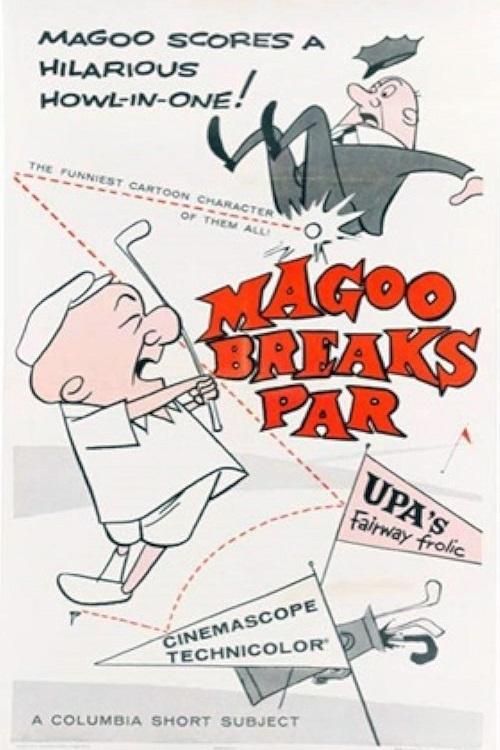
Magoo Breaks Par
1957
No user ratings available yet
Representation score: 1.8 out of 10
Representation Score
Minimal
1956
ApprovedDirector
Pete Burness
Runtime
7 minutes
Average Rating
No ratings yetNew Showbiz Analysis
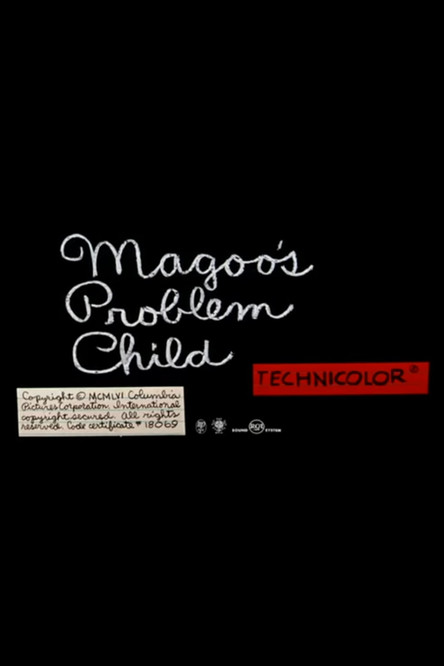
Magoo’s Problem Child reflects the narrow casting and storytelling conventions of 1950s American animation. The film’s world is exclusively white and male, with no women or LGBTQ+ characters visible on screen. Its humor hinges on Mr. Magoo’s profound nearsightedness, making disability the central narrative engine rather than a peripheral detail. The short offers mild satire through Magoo’s incompetence as a caretaker, undercutting traditional masculine authority without challenging broader social norms. Its suburban setting and family dynamics remain culturally neutral, reinforcing mid-century expectations rather than questioning them. While the film avoids punching down at specific marginalized groups, its lack of racial, gender, and LGBTQ+ representation is stark. Disability is present but framed primarily for slapstick, limiting its depth beyond comedic function.
Category Breakdown
No LGBTQ+ characters or same-sex relationships appear in this animated short. The brief runtime focuses entirely on a male uncle and his young male charge.
The story centers on men; women are absent or off-screen. Magoo acts as the sole caretaker, but his bumbling nature undermines traditional masculine authority rather than reinforcing it.
All visible characters are white. The mid-century suburban setting features no minority characters or interracial relationships.
The film portrays a standard mid-century American family without political commentary. Magoo’s incompetence mocks authority figures, but the narrative upholds conventional family structures and suburban norms.
Mr. Magoo’s severe nearsightedness drives the entire plot. While his disability is the source of slapstick comedy, it is a defining, constant trait rather than a temporary plot device.
Present on Screen
Limited or Absent
Official Synopsis
The near-sighted Mr. Magoo returns from a trip and mistakes a ramshackle shack, near his home, for his palatial home. There, he finds evidence of all manner of crimes, ranging from murder down to counterfeiting, and jumps to the conclusion that his nephew Waldo is responsible. He gets Waldo and runs away seeking a hideout until he can straighten things out. Following Magoo's fugitive-directions, they wind up in the city jail.
1957
1954
1955
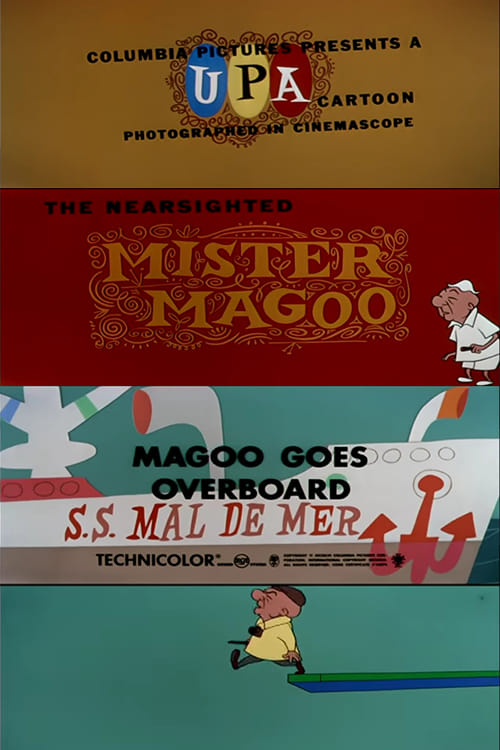
1957
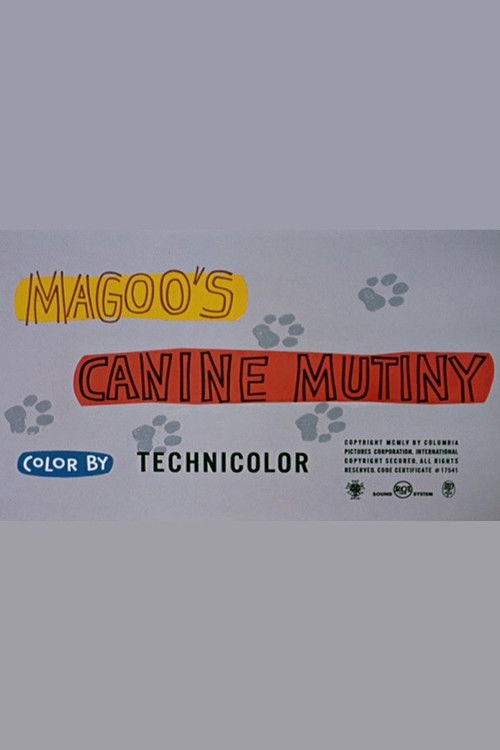
1956
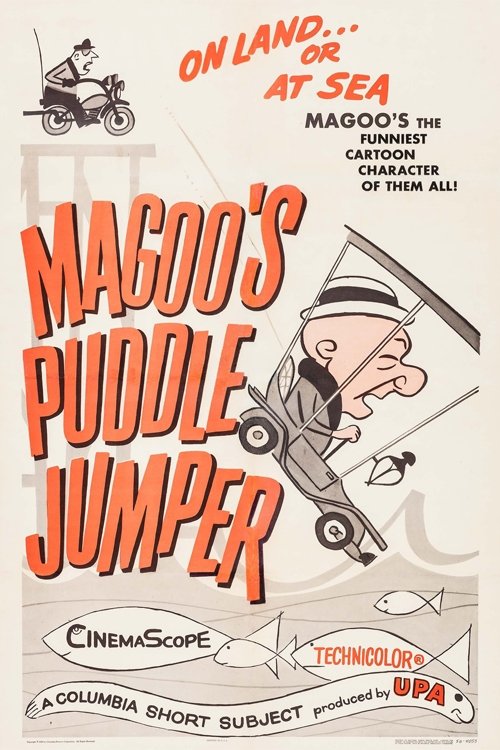
1956
1958
1957
No reviews yet. Be the first to share your thoughts on this movie!
Use the rating form above to leave a star rating and optional review.