Photographer
2015
No user ratings available yet
Representation score: 4.5 out of 10
Representation Score
Minimal
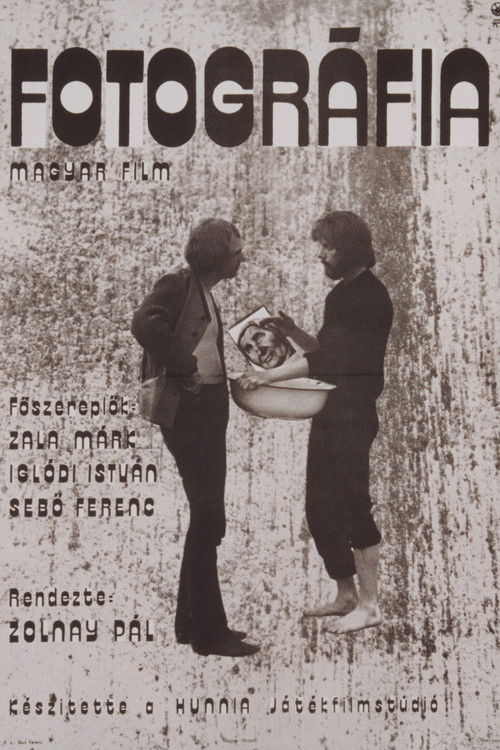
1973
Director
Pál Zolnay
Runtime
82 minutes
Average Rating
No ratings yetNew Showbiz Analysis
Pál Zolnay’s work is a formalist exploration of the Hungarian New Wave, emphasizing the deconstruction of cinematic structures rather than social commentary. It functions as a philosophical study of the photographic medium rather than a vehicle for identity politics. While the film disrupts traditional, authoritative storytelling through its experimental approach, it fails to include diverse representations. The focus on professional roles and rural homogeneity limits the scope to a narrow demographic. Ultimately, the film is a study of how images shape truth. It lacks the inclusion of underrepresented identities necessary for a high score in progressive diversity.
Category Breakdown
The film does not include any documented LGBTQ+ characters or stories about non-straight identities. It focuses solely on the technical and philosophical aspects of photography.
The story revolves around two male characters, a photographer and a retoucher, without providing female characters or challenging traditional gender roles.
Set in the Hungarian countryside, the film features an ethnically uniform cast. There is no representation of diverse racial backgrounds or non-white characters.
The film offers a postmodern examination of truth and reality. It questions traditional storytelling by exploring how photography shapes perception and creates subjective realities.
There is no evidence that disability or neurodiversity plays a central role in the story. The film does not use these traits as key character elements.
Present on Screen
Limited or Absent
Official Synopsis
Two actors wandered from house to house in the countryside in the roles of the photographer and the retoucher business man offering their photographic services to the people.
2015
1979
1989
1976

1987
2004

1975
1995
No reviews yet. Be the first to share your thoughts on this movie!
Use the rating form above to leave a star rating and optional review.