
Photography
1973
No user ratings available yet
Diversity score: 2.9 out of 10
1946
Director
Jean-Pierre Melville
Runtime
18 minutes
Average Rating
No ratings yetSynopsis
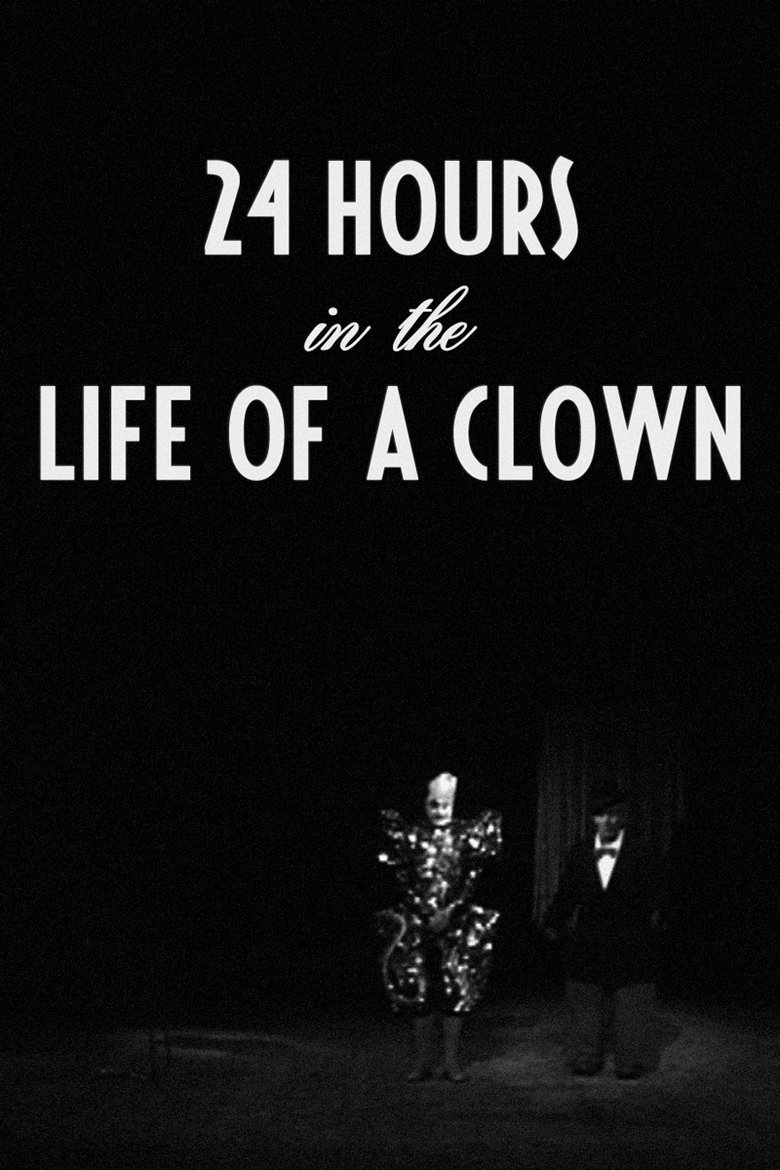
The movie follows the clock round as music hall clown Beby takes off his make up, goes home for a meal, looks at photos and goes to bed to rise, spend a day in the village and perform with his new partner.
Overall Score
Fair
Category Breakdown
LGBTQ+ Representation
The film functions as a character study of the performer Beby. There is no explicit evidence of non-cisnormative identities or same-sex intimacy within the documented narrative.
Gender Representation
The narrative architecture centers on a male protagonist and his professional routine. While a new partner is introduced, the film does not explore specific gendered power dynamics.
Racial & Ethnic Diversity
This localized French production focuses on an individual within a circus context. No specific instances of racial diversity are documented in the available narrative.
Religious & Cultural Diversity
The film adopts a secular, observational mode of storytelling. It deconstructs the circus spectacle by focusing on the mundane, cyclical nature of a performer's everyday life.
Disability Representation
There is no documented evidence regarding the portrayal of physical or neurodivergent disabilities. The clown persona's physical comedy does not inherently indicate disability agency.
Strengths
Areas for Improvement
AI Analysis
Jean-Pierre Melville’s documentary offers an existentialist character study rather than a vehicle for social representation. It succeeds in deconstructing the artifice of the public persona by focusing on the unglamorous reality behind the mask. However, the film lacks explicit intersectional markers. Produced in 1946, it reflects the era's likely homogeneous social constraints and lacks intentional social subversion or systemic critiques.
No reviews yet. Be the first to share your thoughts on this movie!
Use the rating form above to leave a star rating and optional review.