Find another title
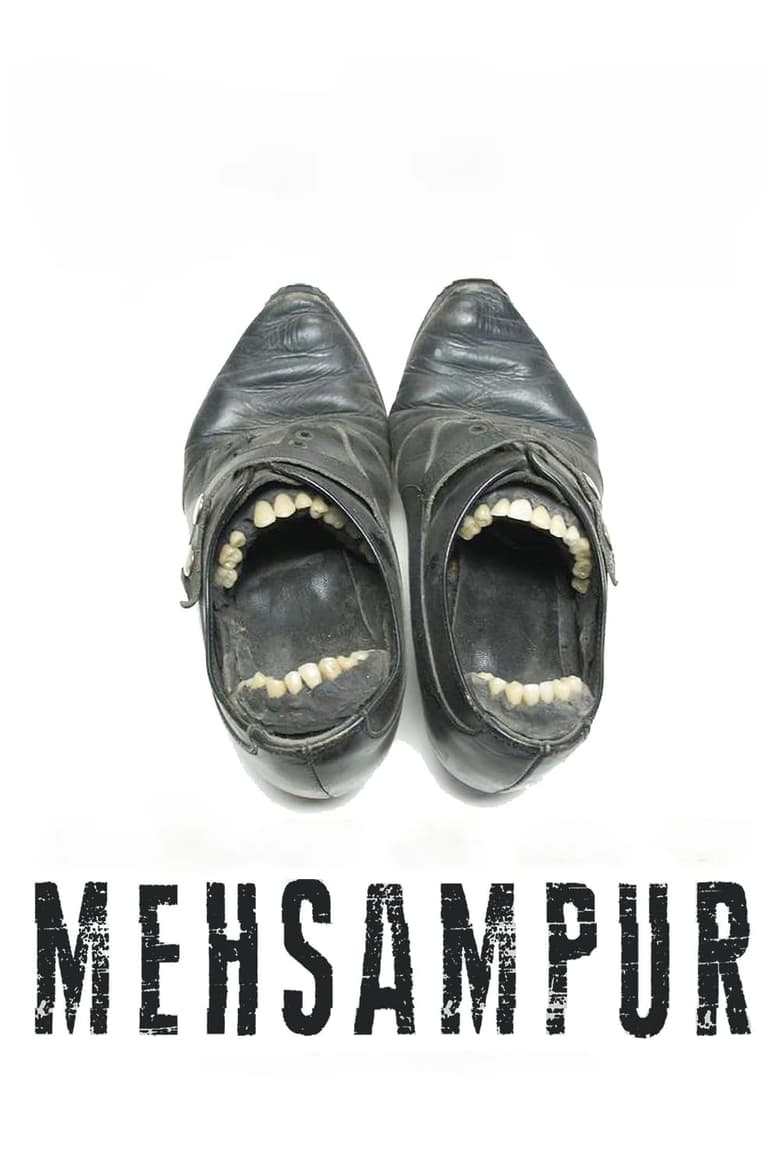
Mehsampur
2018
Director
Kabir Singh Chowdhry
Runtime
98 minutes
Average Rating
No ratings yetSynopsis
A desperate filmmaker drives a neurotic actress and an aging musician to a village of trauma.
Where to Watch
Diversity & Representation
Overall Score
Fair
Category Breakdown
LGBTQ+ Representation
The film explores non-traditional interpersonal dynamics through whimsical and neurotic character archetypes. However, there is no explicit depiction of same-sex intimacy or gender non-conformity.
Gender Representation
A female actress occupies a central, active role alongside male characters. Her neurotic characterization suggests psychological complexity rather than traditional submissive femininity.
Racial & Ethnic Diversity
The cast and title establish a strong South Asian cultural framework. The localized village setting moves the narrative away from Western-centric storytelling norms.
Religious & Cultural Diversity
By centering on a village of trauma, the film critiques systemic or historical suffering. It prioritizes subjective experience over idealized social structures.
Disability Representation
The actress's neuroticism touches upon mental health and psychological states. It remains unclear if this neurodivergence is handled with agency or used as a plot device.
Strengths
- Strong regional identity through a South Asian cultural framework.
- Nuanced female characterization that avoids submissive tropes.
- Complex narrative structure that explores systemic and historical trauma.
Areas for Improvement
- Lack of explicit LGBTQ+ representation or non-heteronormative relationships.
- Unclear agency regarding the depiction of mental health and neurodivergence.
- Limited documentation of the director's track record in intersectional storytelling.
AI Analysis
Mehsampur utilizes a blend of documentary realism and fantasy to navigate a landscape of systemic trauma. This stylistic choice allows for a deconstruction of traditional narrative structures, favoring psychological depth over genre tropes. The film succeeds in centering regional identity and complex female characterization. By focusing on a specific South Asian village, it avoids the homogeneity of Western-centric cinema. However, the work lacks explicit confirmation regarding LGBTQ+ identities and specific disability representation. While subtextual themes of mental health exist, the narrative's commitment to intersectional visibility remains unverified.
Rate this Movie
Reviews
No reviews yet. Be the first to share your thoughts on this movie!
Use the rating form above to leave a star rating and optional review.